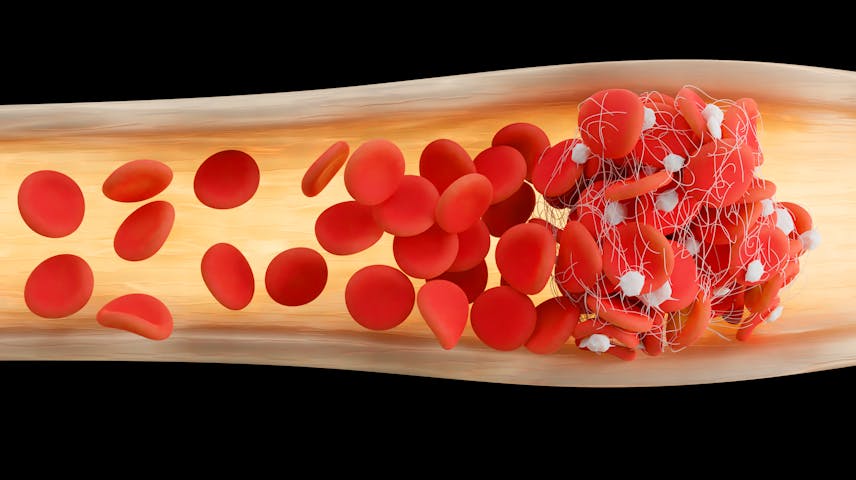
Your blood is living tissue made up of liquid and solids. The liquid part, called plasma, is made of water, salts and protein. Over half of your blood is plasma. The solid part of your blood contains red blood cells, white blood cells, and platelets.
Blood diseases and disorders affect one or more parts of the blood and prevent your blood from doing its job. Many blood diseases and disorders are caused by genes. Other causes include other diseases, side effects of medicines, and a lack of certain nutrients in your diet. Common blood disorders include anemia and bleeding disorders such as hemophilia.
Anemia
Anemia is a condition that develops when your blood produces a lower-than-normal amount of healthy red blood cells. If you have anemia, your body does not get enough oxygen-rich blood. The lack of oxygen can make you feel tired or weak. You may also have shortness of breath, dizziness, headaches, or an irregular heartbeat. According to the Centers for Disease Control and Prevention (CDC), about 3 million people in the United States have anemia.
Mild anemia is a common and treatable condition that can develop in anyone. It may come about suddenly or over time, and may be caused by your diet, medicines you take, or another medical condition. Anemia can also be chronic, meaning it lasts a long time and may never go away completely. Some types of anemia are inherited. The most common type of anemia is iron-deficiency anemia.
Bleeding Disorders
Bleeding disorders affect the way the body controls blood clotting. If your blood does not clot enough, you may experience problems with bleeding too much after an injury or surgery. This health topic focuses on bleeding disorders that are caused by problems with clotting factors, including hemophilia.
Clotting factors, also called coagulation factors, are proteins in the blood that work with small cells, called platelets, to form blood clots. Any problem that affects the function or number of clotting factors or platelets can lead to a bleeding disorder.
A bleeding disorder can be inherited, meaning that you are born with the disorder, or it can be acquired, meaning it develops during your life. Symptoms can include easy bruising and nosebleeds that happen often. To diagnose your bleeding disorder, your healthcare provider may need to review your symptoms, risk factors, medical history, and blood test results.
Depending on the type of bleeding disorder you have, your provider may recommend medicines or clotting factor replacement therapy to treat your condition.
Blood Clotting Disorders
Blood clotting disorders are problems in the body’s ability to control how the blood clots. Normally, blood clots form during an injury to prevent bleeding. If you have a clotting disorder, your blood may not clot enough, which can lead to too much bleeding, or your blood may form clots even without an injury.
Blood clotting disorders are sometimes called coagulation disorders or thrombophilias. They are either inherited (meaning that you are born with the condition) or acquired (meaning you develop the condition as the result of another illness or injury).
Blood clots can cause many health problems. Symptoms of blood clots depend on where in the body they form. Typically, they will form in the veins and appear in the legs or lungs. Blood clots in the legs can cause deep vein thrombosis. Blood clots in the lungs can cause a pulmonary embolism. It is rare for blood clots to form in the arteries. When they do, they can lead to heart attack or stroke.
If you think you may have a blood clotting disorder, your doctor will ask about your family and medical history. They may also run tests to be sure of the diagnosis. If you have a blood clotting disorder, you may need medicine to stop the blood from clotting. Your doctor may also talk to you about ways to prevent blood clots and to stay healthy.
Blood Cancers
Cancer that begins in blood-forming tissue, such as the bone marrow, or in the cells of the immune system. Examples of blood cancer are leukemia, lymphoma, and multiple myeloma. Blood cancers are also called hematologic cancers. A haematologist treats these types of cancers, and other blood diseases.
Leukemia is a term for cancers of the blood cells. Leukemia starts in blood-forming tissues such as the bone marrow. Your bone marrow makes the cells that will develop into white blood cells, red blood cells, and platelets. Each type of cell has a different job:
White blood cells help your body fight infection
Red blood cells deliver oxygen from your lungs to your tissues and organs
Platelets help form clots to stop bleeding
When you have leukemia, your bone marrow makes large numbers of abnormal cells. This problem most often happens with white blood cells. These abnormal cells build up in your bone marrow and blood. They crowd out the healthy blood cells and make it hard for your cells and blood to do their work.
The different types can grow quickly or slowly:
Acute leukemia is fast growing. It usually gets worse quickly if it's not treated.
Chronic leukemia is slow growing. It usually gets worse over a longer period of time.
What causes leukemia?
Leukemia happens when there are changes in the genetic material (DNA) in bone marrow cells. The cause of these genetic changes is unknown.
Who is at risk for leukemia?
For the specific types, there are different factors which can raise your risk of getting that type. Overall, your risk of leukemia goes up as you age. It is most common over age 60.
What are the symptoms of leukemia?
Feeling tired
Fever or night sweats
Easy bruising or bleeding
Weight loss or loss of appetite
Petechiae, which are tiny red dots under the skin. They are caused by bleeding.
Other leukemia symptoms can be different from type to type. Chromic leukemia may not cause symptoms at first.
How is leukemia diagnosed?
A physical exam
A medical history
Blood tests, such as a complete blood count (CBC)
Bone marrow tests. These involve removing a sample of bone marrow and bone. The samples are sent to a lab for testing.
Genetic tests to look for gene and chromosome changes
What are the treatments for leukemia?
The treatments for leukemia depend on which type you have, how severe the leukemia is, your age, your overall health, and other factors. Some possible treatments might include:
Chemotherapy
Radiation therapy
Chemotherapy with stem cell transplant
Targeted therapy, which uses drugs or other substances that attack specific cancer cells with less harm to normal cells
Lymphoma is a cancer of a part of the immune system called the lymph system. There are many types of lymphoma. One type is Hodgkin disease. The rest are called non-Hodgkin lymphomas.
Non-Hodgkin lymphomas begin when a type of white blood cell, called a T cell or B cell, becomes abnormal. The cell divides again and again, making more and more abnormal cells. These abnormal cells can spread to almost any other part of the body. Most of the time, doctors don't know why a person gets non-Hodgkin lymphoma. You are at increased risk if you have a weakened immune system or have certain types of infections.
Non-Hodgkin lymphoma can cause many symptoms, such as :
Swollen, painless lymph nodes in the neck, armpits or groin
Unexplained weight loss
Fever
Soaking night sweats
Coughing, trouble breathing or chest pain
Weakness and tiredness that don't go away
Pain, swelling or a feeling of fullness in the abdomen
Your doctor will diagnose lymphoma with a physical exam, blood tests, a chest x-ray, and a biopsy. Treatments include chemotherapy, radiation therapy, targeted therapy, biological therapy, or therapy to remove proteins from the blood. Targeted therapy uses drugs or other substances that attack specific cancer cells with less harm to normal cells. Biologic therapy boosts your body's own ability to fight cancer. If you don't have symptoms, you may not need treatment right away. This is called watchful waiting.
Myeloma, also called multiple myeloma, is a cancer of the plasma cells. Plasma cells are white blood cells that make antibodies that protect us from infection. In myeloma, the cells grow too much, crowding out normal cells in the bone marrow that make red blood cells, platelets, and other white blood cells.
Multiple myeloma, the most common type of plasma cell tumor, develops in the bone marrow and can spread throughout the body. Scientists don't understand why some people get myeloma.