Loading course navigation
Loading unit

| Unit Arc | Instructional Time | Essential Question | Key Milestones |
|---|---|---|---|
Spark | 3 lessons | How do people form connections to others? |
|
Investigation 1 | 18 lessons | How does identity shape the way people connect to and understand each other? |
|
Flex | 4 lessons |
|
Youth, Identity, and Belonging: How social class, peer groups, empathy, and chosen family shape who we are and how we relate to the world.
how social class and peer groups shape identity and sense of place.
how chosen families form and why they matter to young people.
how empathy allows people to see the world through someone else's eyes.
how voice and point of view shape whether we feel like we belong.
Analyze how social class and youth culture shape identity and belonging in 1960s America as depicted in The Outsiders.
Evaluate how first-person narration and perspective build empathy and shape readers' understanding of outsider experience.
Use textual evidence to trace how characters' relationships illustrate themes of chosen family, loyalty, and growth.
Compare different characters' perspectives to explain how social differences can both divide and connect people.
How did 1960s youth culture and social class shape identity and belonging for young people?
How do authors use point of view and narration to help readers understand characters different from themselves?
What does the novel suggest about loyalty, chosen family, and the meaning of belonging?
How can understanding another person's perspective change the way we see them?
Investigation 1: How do relationships and communities shape a person's sense of belonging and identity?
Investigation 2: What helps people navigate social differences and see from one another’s perspectives?
The Outsiders
S.E. Hinton

"Nothing Gold Can Stay"
Robert Frost
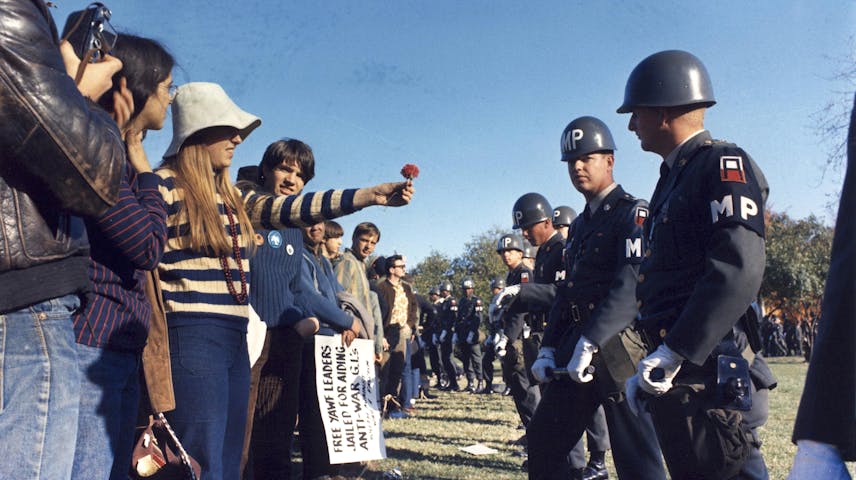
A Decade of Change: The 1960s in America
Standard News Bureau
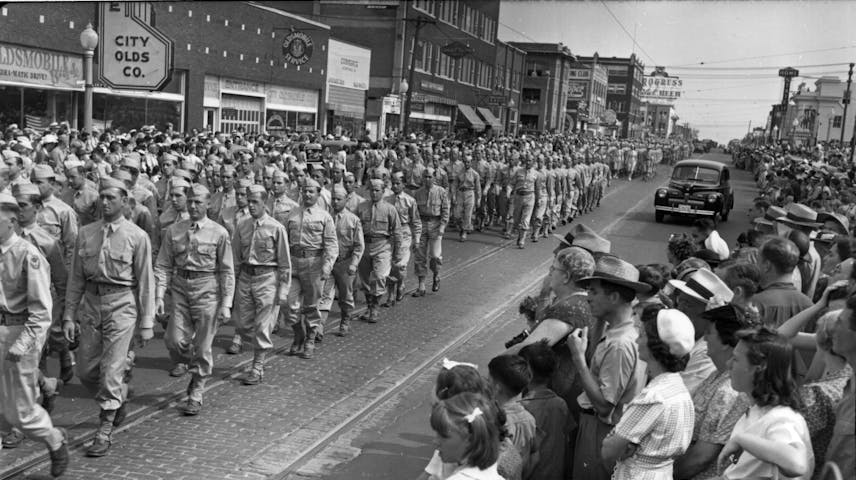
Cool, Chrome and Rock ‘n’ Roll: America after World War II
Standard News Bureau
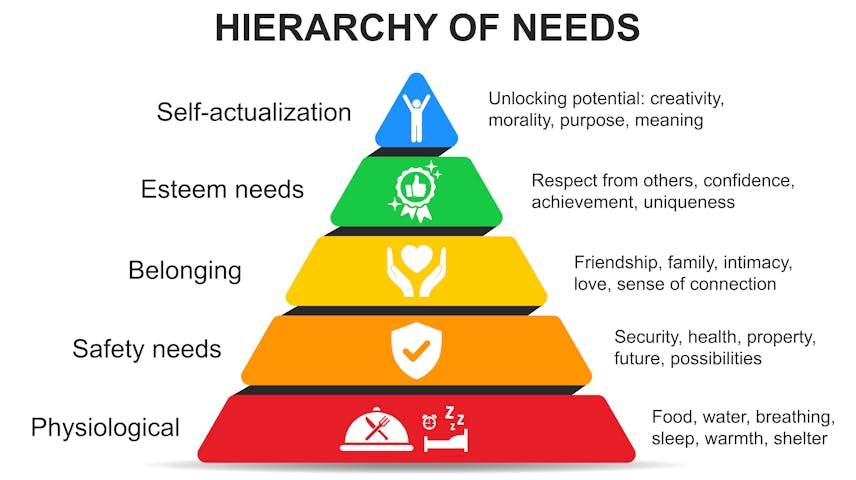
Maslow’s Hierarchy of Needs
Standard News Bureau
Overcoming the “Us vs. Them” Mentality
Standard News Bureau

What Is Social Identity?
Standard News Bureau

Who’s poor in America? 50 years into the ‘War on Poverty,’ a data portrait
Drew DeSilver, Pew Research Center
Why Stereotypes Should Be Avoided
Standard News Bureau