Loading course navigation
Loading unit
Content
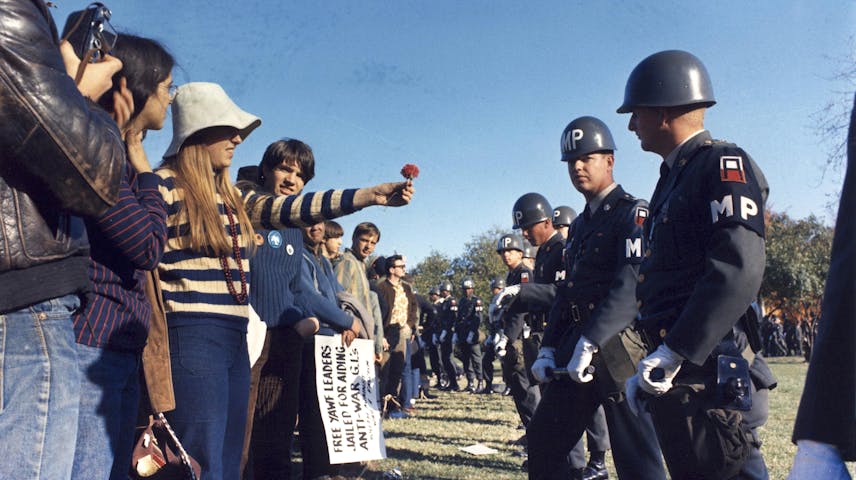
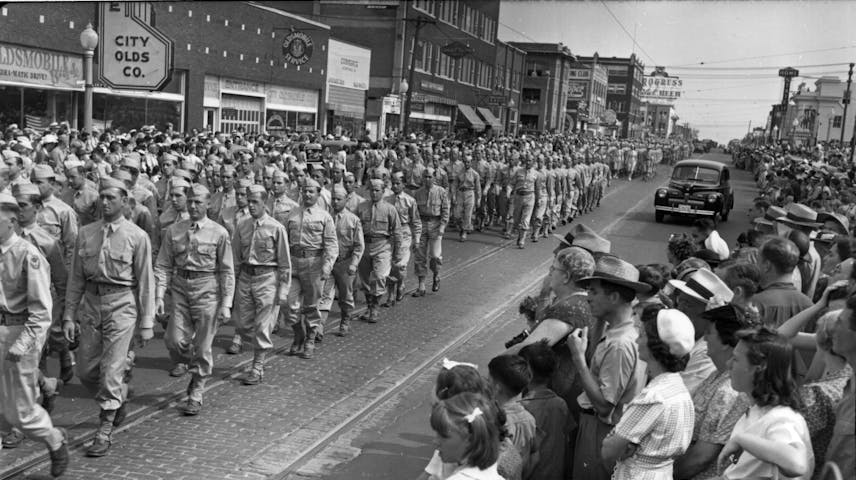
Students will analyze how the 1960s contained multiple, often contradictory realities for American youth culture.
Language
Students will describe and compare different aspects of 1960s youth culture by stating a clear claim about a specific group or subculture, using evidence from two nonfiction sources.
Foundational Skills
Students will build knowledge of vocabulary words in historical context and learn the concept of historical complexity.
Who’s poor in America? 50 years into the ‘War on Poverty,’ a data portrait
Drew DeSilver, Pew Research Center
Content
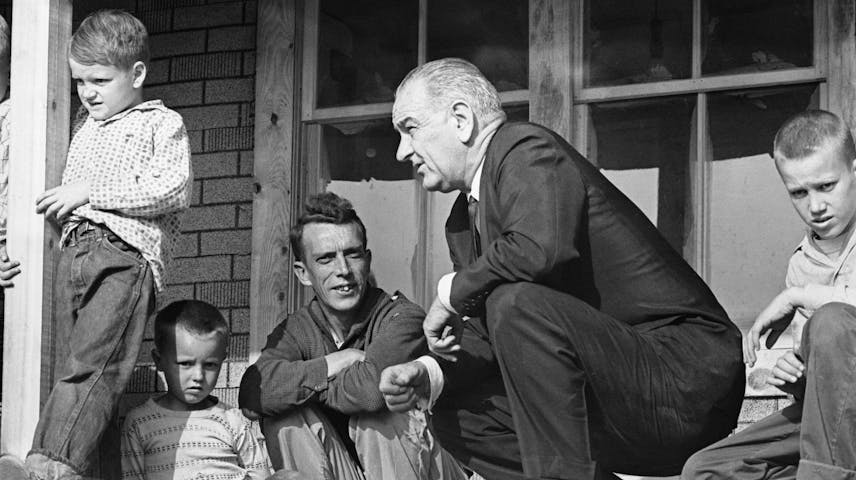
Students will review a video and an informational article to analyze how poverty and economic inequality impacted Americans in the 1960s and beyond.
Language
Students will summarize ideas from an informational text and use these summaries to develop original ideas.
Foundational Skills
Students will explore the relationship between two vocabulary words and connect these words to informational texts.
Content
Students will explore and discuss the 1960s subculture that informed The Outsiders and the perspective of author S. E. Hinton, using instruction, text, images, and/or video.
Language
Students will use academic question forms and purpose language to frame and refine curiosity-driven questions about 1960s youth subcultures and The Outsiders (author perspective + title meaning), using era-specific academic vocabulary and at least one detail from images/video or an author text to justify what they want to understand.
Foundational Skills
Students will learn two terms related to the book’s historical context and background and use these terms to build knowledge about the text.
The Outsiders
S.E. Hinton

Foundational Skills
Students will identify roots and analyze how affixes change word meanings.
Content
Students will annotate the beginning of Chapter 1, focusing on how Ponyboy’s narration reveals important details about character and theme.
Language
Students will explain how Ponyboy’s first-person narration reveals perspective and identity by citing evidence (This shows that . . .…), using morphology to unpack vocabulary (roots, affixes), and using cohesive connectors (for example, therefore).
Foundational Skills
Students will identify roots and analyze how affixes change word meanings.
The Outsiders
S.E. Hinton
Content
Students will annotate the rest of Chapter 1 and analyze character connections and relationships, including common ground between characters.
Language
Students will compare groups and explain belonging by using compare/contrast connectors (both, however, in contrast), evidence language (In the text . . .…), and academic vocabulary for identity and social groups.
Foundational Skills
Students will compare two words with similar pronunciations but different spellings and meanings.
The Outsiders
S.E. Hinton
Why Stereotypes Should Be Avoided
Standard News Bureau

Foundational Skills
Students will identify roots and cognates and analyze how affixes change word meanings.
Content
Students will read an article about stereotypes, discuss the author's purpose, and relate its content to The Outsiders.
Language
Students will explain how authors use word choice and examples to convey purpose and perspective, using evaluation language, contrastive connectors, and evidence-based claims.
The Outsiders
S.E. Hinton
Foundational Skills
Students will identify roots and analyze how affixes change word meanings.
Content
Students will annotate a chapter of the text to analyze how the author develops characters’ points of view and how characters’ perspectives evolve, then use this evidence to identify story themes.
Language
Students will explain how dialogue reveals shifting perspective by quoting/paraphrasing and, using reporting/thinking verbs, interpretation stems, and cause-and-effect connectors.
Foundational Skills
Students will identify roots and analyze how affixes change word meanings.
The Outsiders
S.E. Hinton
What Is Social Identity?
Standard News Bureau

Content
Students will write an evidence-based paragraph to explain how the experiences of The Outsiders’ main character develop ideas about belonging and not belonging.
Language
Students will write an evidence-based explanation of Ponyboy’s belonging and not belonging by using a claim–evidence–explanation structure, integrating quotations/paraphrases with citing/reporting verbs (states, explains, shows), and using academic transitions (for example, however, this shows) to connect evidence to their reasoning.
The Outsiders
S.E. Hinton
Content
Students will analyze and discuss how authors use narration, dialogue, and voice to develop point of view and express ideas about belonging and identity.
Language
Students will explain how Ponyboy’s narration and dialogue reveal feelings and misunderstanding by using emotional vocabulary and intensity adverbs, sentence expansion for nuance, and evidence frames (“The text shows . . . ,” “This suggests . . .”) to support analysis of belonging and identity.
Foundational Skills
Students will use context to identify new word meanings and form word associations.
The Outsiders
S.E. Hinton
Content
Students will learn about the craft of narrative writing, including choosing words with precise connotations, and write a paragraph from a character’s point of view.
Language
Students will analyze narrative craft choices (direct address, connotation, and point of view) and write a short first-person paragraph from a non-narrator character’s perspective, using precision analysis verbs (demonstrates, reveals), expanded sentences with clauses, and strong connectors (therefore, consequently) to strengthen reasoning about belonging and identity.
The Outsiders
S.E. Hinton
Foundational Skills
Students will deepen their understanding of previously taught vocabulary words by building word relationships.
Content
Students will compare and contrast two social groups in the novel and use these details to analyze how authors contrast points of view and build themes.
Language
Students will compare Socs and Greasers using comparative connectors and expanded noun phrases to describe group traits.
The Outsiders
S.E. Hinton
Content
Students will read and analyze the opening of Chapter 4 with a focus on how plot events and conflict shape, and reveal, characters’ identities.
Language
Students will explain character actions under stress using emotion + motivation verbs and cause/effect connectors, supported with text evidence.
Foundational Skills
Students will learn two new vocabulary words using morpheme instruction.
The Outsiders
S.E. Hinton
Content
Students will annotate sections of Chapter 4 to answer text-dependent questions about characters’ points of view and the author’s choices and then share their responses with their peers.
Language
Students will explain what matters most to a character during crisis using evidence-based inference verbs (indicates, suggests), cause/effect connectors, and collaborative talk stems.
Foundational Skills
Students will determine the meanings of two new vocabulary words through context.
The Outsiders
S.E. Hinton
"Nothing Gold Can Stay"
Robert Frost
Content
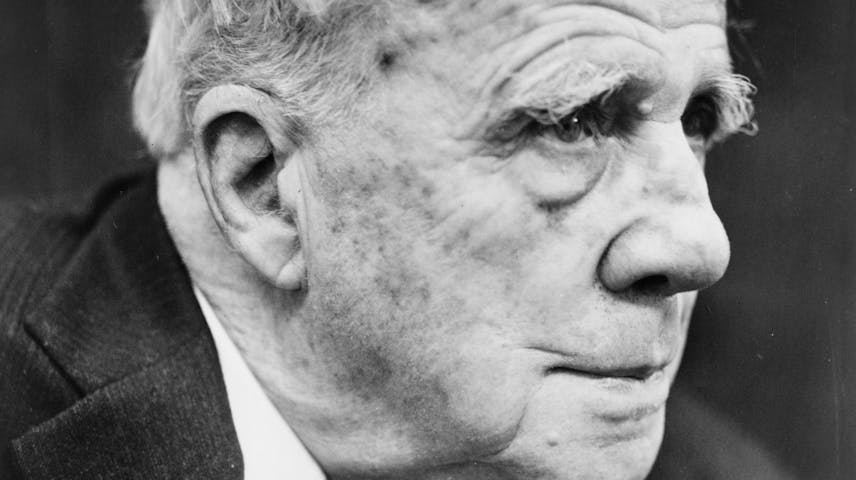
Students will analyze the imagery and symbolism in the Frost poem “Nothing Gold Can Stay” and discuss its relevance to The Outsiders.
Language
Students will interpret the poetic devices and themes of “Nothing Gold Can Stay” by explaining figurative language with precise verbs (represents, symbolizes), using expanded noun phrases to name abstract ideas (the fleeting innocence of youth), and citing specific words/lines from the poem and The Outsiders to justify their interpretations.
Foundational Skills
Students will learn a new vocabulary word and build knowledge of the word by generating examples and non-examples.
The Outsiders
S.E. Hinton
"Nothing Gold Can Stay"
Robert Frost
Content
Students will review a passage in The Outsiders to learn about narrative craft elements and practice revising a narrative nonfiction paragraph.
Language
Students will strengthen a narrative nonfiction paragraph by using varied sentence structures (simple/compound/complex), clear narrative sequencing, precise sensory detail, and accurate modifier placement to improve clarity, pacing, and meaning.
Foundational Skills
Students will practice combining simple sentences to produce compound, complex, and compound/complex sentences and learn to recognize and fix misplaced modifiers.
The Outsiders
S.E. Hinton
Content
Students will discuss and analyze character development in Chapter 5, connecting character changes to setting, point of view, and theme.
Language
Students will explain how the church setting affects Ponyboy’s and Johnny’s sense of belonging and identity by using cause/effect connectors, emotional language, and evidence frames with inference verbs (demonstrates, suggests, indicates).
Foundational Skills
Students will form word associations, including synonyms and antonyms, to deepen their understanding of two new vocabulary words.
The Outsiders
S.E. Hinton
Content
Students will use their annotations of Chapter 6 to analyze how major plot events and character changes develop themes of belonging, identity, and loss.
Language
Students will justify claims about heroism in Chapter 6 by using a claim–evidence–reasoning structure, modal language (might, could, should), and complex sentences (because/although), citing at least one text detail to support their reasoning.
Foundational Skills
Students will analyze how affixes and roots impact word meaning by examining the word conviction.
The Outsiders
S.E. Hinton
Content
Students will compare and contrast a scene in a book to an adaptation of the same scene in a film and explore how each medium conveys ideas.
Language
Students will compare how the book and film versions of the church fire scene shape meaning by using media-analysis verbs (emphasizes, highlights, omits, conveys), evidence-based comparison frames, and evaluative language to justify which version is more powerful.
Foundational Skills
Students will review previously taught vocabulary words and build knowledge of the words by using them in sentences.
The Outsiders
S.E. Hinton
Content
Students will develop a narrative paragraph from a character’s perspective by organizing ideas and drawing on events from The Outsiders.
Language
Students will use first-person narration, time and sequence transitions, precise descriptive details, and concise sentences to draft a narrative paragraph.
Foundational Skills
Students will combine sentences and revise redundant wording to improve clarity and concision.
The Outsiders
S.E. Hinton
Content
Students will Revise, edit, and receive peer feedback on the paragraph they drafted in the previous lesson before producing a final version.
Language
Students will Revise and strengthen a narrative paragraph by connecting ideas with conjunctions and transition words, expanding sentences with descriptive clauses, and incorporating dialogue that reveals character perspective.
Foundational Skills
Students will Practice using conjunctions to form compound, complex, and compound-complex sentences.
The Outsiders
S.E. Hinton
Content
Students will participate in an academic discussion about how the anchor text develops themes of belonging, using a Reflect and Respond routine.
Language
Students will sustain an evidence-based discussion about belonging by using discussion stems to build on peers’ ideas, citing chapter-based evidence, and using precise academic verbs to explain how relationships shape identity.
Foundational Skills
Students will develop a list of conversational norms they can use as a class in future discussions.
Content
Students will demonstrate mastery of grade-level skills and concepts by applying their knowledge and critical thinking in a summative assessment environment.
Language
Students will interpret academic vocabulary and complex sentence structures within assessment stems to identify precise relationships between ideas.
The Outsiders
S.E. Hinton
Content
Students will analyze theme, character responses, and point of view in a literary text.
Language
Students will explain literary analysis using evidence, contrast language, and point-of-view frames in speaking and writing.
The Outsiders
S.E. Hinton
Content
Students will narrow a broad topic about 1960s youth culture and social class into a focused, researchable question.
Language
Students will explain why a question is researchable using precise academic language such as broad, narrow, researchable, and relevant and using complex sentences with because, although, and while.
The Outsiders
S.E. Hinton
Content
Students will evaluate whether a source is relevant and accurate for answering a research question about 1960s youth culture and social class.
Language
Students will distinguish among quoting, paraphrasing, and attribution to record source-based evidence and explain why a source is useful.
The Outsiders
S.E. Hinton
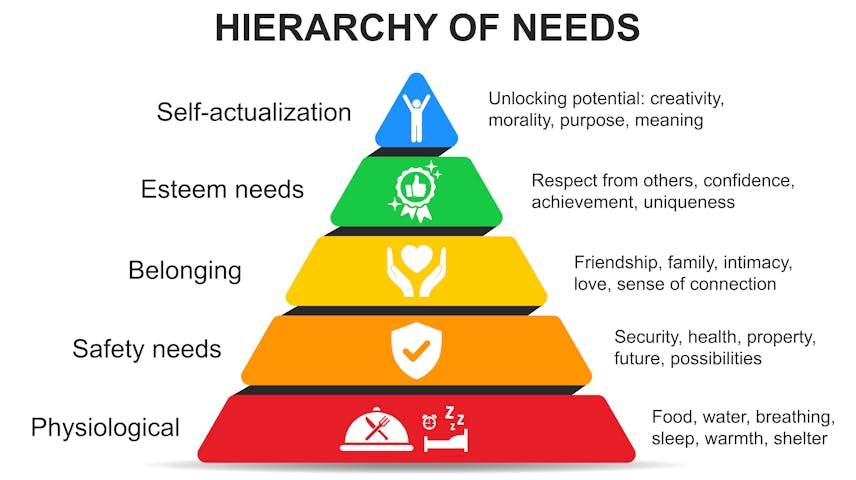
Maslow’s Hierarchy of Needs
Standard News Bureau
Content
Students will analyze significant character relationships using a graphic organizer, explore themes related to empathy and chosen family, and begin reading Chapter 7.
Language
Students will explain how word choice reveals character relationships in The Outsiders by using interpretation verbs (reveals, suggests, indicates), evidence frames, and expanded sentences with adverbials for clarity.
Foundational Skills
Students will use a morphology routine to learn two new vocabulary words and explore the connotative relationship between these words.
Maslow’s Hierarchy of Needs
Standard News Bureau
Content
Students will read an informational article about Maslow’s hierarchy of needs and apply this framework to analyze relationships and the theme of empathy in The Outsiders.
Language
Students will use cause/effect connectors (because, therefore, as a result), academic verbs (reveals, suggests, demonstrates), and comparative language (similarly, in contrast) to explain how empathy bridges social divides.
Foundational Skills
Students will apply knowledge of high-utility roots/affixes to understand vocabulary related to physical and relational needs.
The Outsiders
S.E. Hinton
Content
Students will discuss the relationships among characters in The Outsiders to analyze how people can change perspective and build bridges across divides.
Language
Students will make and support claims about how characters bridge divides by building on peers’ ideas, using academic discussion stems and counterpoint stems, and citing evidence from The Outsiders to justify their reasoning.
Foundational Skills
Students will prepare for whole-group academic discussions by practicing speaking and listening skills in smaller groups.
The Outsiders
S.E. Hinton
Overcoming the “Us vs. Them” Mentality
Standard News Bureau

Content
Students will analyze how mentality affects characters in The Outsiders and influences relationships in real life.
Language
Students will explain symbolism and relationship shifts by using interpretation verbs, compare/contrast transitions, and textual evidence as they analyze the perspectives of Ponyboy, Cherry, and Randy.
Foundational Skills
Students will develop vocabulary related to mindset and group behavior (mentality, mob mentality) to support discussion of characters and conflicts.
The Outsiders
S.E. Hinton
"Nothing Gold Can Stay"
Robert Frost
Content
Students will analyze how pacing shapes hesitancy and urgency and compare how these ideas are developed within and across texts.
Language
Students will explain how pacing shapes meaning across poems and narrative scenes, compare and contrast how urgency and hesitancy are developed in different parts of The Outsiders, and use sequencing language, evaluative language, and text-structure language in discussion and writing.
Foundational Skills
Students will use academic vocabulary (e.g., pacing, sequence, hesitancy, urgency) to support comprehension and analysis.
The Outsiders
S.E. Hinton
Content
Students will analyze similarities and differences between a film version of Chapter 9 and the text and prepare to rewrite a scene from a character’s perspective, using information from both mediums.
Language
Students will compare how book and film present character perspective and then plan and outline a rewritten Chapter 9 scene from a new first-person point of view using dialogue, sequencing, and varied sentence types to show what a character wants, feels, and notices.
Foundational Skills
Students will examine how simple, complex, compound, and compound-complex sentence structures affect meaning and can be used in their own narrative writing.
Content
Students will analyze how authors use dialogue and narrative voice to reveal character identity and apply these techniques as they write and revise a narrative scene.
Language
Students will combine sentences, use consistent verb tenses, and apply punctuation to improve clarity and flow in their narrative writing.
Foundational Skills
Students will build and revise sentences to connect ideas clearly while eliminating repetition and unnecessary wordiness.
Content
Students will analyze how word choice, figurative language, and extended comparisons create emotional impact and develop ideas about identity, loyalty, and belonging in the novel.
Language
Students will analyze how word choice, figurative language, and extended comparisons shape emotional impact and develop ideas about identity, loyalty, and belonging, using expanded sentences and precise academic language.
Foundational Skills
Students will draw connections between previously taught vocabulary words and use these relationships to explain character thinking and motivations.
Content
Students will investigate how authors reveal information in narration versus in dialogue and how pivotal character actions connect to established themes.
Language
Students will analyze what The Outsiders reveals through narration versus dialogue, make inferences about character perspectives and choices, and express conclusions using compare/contrast language, clear pronoun reference, and inference verbs in discussion and writing.
Foundational Skills
Students will practice identifying the meaning of a new vocabulary word from context.
The Outsiders
S.E. Hinton
Content
Students will review elements of narrative writing and tips to improve each element. Then they will set goals for a revision that includes focus on purpose and audience.
Language
Students will revise and explain narrative craft choices using evidence from their own writing, combining ideas clearly and using text-structure language to strengthen purpose, audience awareness, and clarity.
Foundational Skills
Students will edit a paragraph to correct misplaced and dangling modifiers, connect related ideas in sentences, and choose precise words.
Content
Students will discuss how Chapter 12 builds important themes and shows character growth. Then they will analyze and practice using imagery to represent thematic concepts.
Language
Students will explain character change and thematic development using evidence from the text, inference verbs, and cause/effect reasoning and will apply these same language structures when writing with imagery and discussing how abstract ideas are represented.
Foundational Skills
Students will review previously taught vocabulary words and use them in sentences connected to the text.
The Outsiders
S.E. Hinton
Content
Students will participate in an academic discussion about how the anchor text develops ideas about empathy across social divides and the meaning of being an “outsider” using a Socratic Seminar routine.
Language
Students will discuss how empathy can enhance a sense of belonging by exchanging ideas in discussion, supporting claims with text evidence, responding to counterpoints respectfully, and using clear academic language and cohesive transitions.
Foundational Skills
Students will practice using Socratic Seminar protocols in a small group, including speaking and listening techniques.
Content
Students will determine two central ideas and analyze their development in an informational text.
Language
Students will explain ideas using precise sentence types and revise sentences by placing phrases and clauses clearly.
The Outsiders
S.E. Hinton
Content
Students will analyze how The Outsiders develops theme and begin planning an original narrative that reflects one of the novel’s central themes.
Language
Students will plan and begin narrating an original personal experience inspired by a theme from The Outsiders by using narrative sequencing, reflection language, cohesive transitions, and clear dialogue to show how events develop a theme. Students will also eventually plan a brief author's note connecting their experience to The Outsiders.
Foundational Skills
Students will use precise vocabulary to articulate theme and conflict relationships.
The Outsiders
S.E. Hinton
Content
Students will draft the introduction and rising action of their narrative performance task writing.
Language
Students will draft and revise a narrative introduction by using dialogue, transitions, clause combining, consistent verb tense, and precise verbs to establish context, mood, and conflict.
Foundational Skills
Students will correctly punctuate dialogue and use transitions to signal shifts in time.
The Outsiders
S.E. Hinton
Content
Students will revise their draft narratives to strengthen sensory detail, pacing, and thematic reflection.
Language
Students will use precise verbs, sensory imagery, and reflective language to deepen meaning.
Foundational Skills
Students will revise word choice for precision and clarity.
The Outsiders
S.E. Hinton
Content
Students will strengthen narrative sequence using transitions, develop reflective endings, and rehearse clear oral presentation of a narrative moment.
Language
Students will use temporal transitions, reflective language, and precise spoken phrasing to clarify sequence, meaning, and emphasis in a narrative performance.
The Outsiders
S.E. Hinton
Content
Students will engage in peer review and revise their narrative drafts using feedback.
Language
Students will give and receive constructive feedback to guide their revision process.
Foundational Skills
Students will edit for clarity while incorporating vivid details.
Content
Students will apply their presentation skills to present their finished narratives.
Language
Students will present their narratives clearly, using appropriate pacing, volume, and reflection language.