Loading course navigation
Loading unit
| Unit Arc | Instructional Time | Essential Question | Key Milestones |
|---|---|---|---|
Spark | 3 lessons | What does it mean to bear witness? |
|
Investigation 1 | 16 lessons | How do words and images shape the way people see—and are seen by—others? |
|
Flex | 4 lessons |
|
Japanese Internment and the Historical Record: How historical events are recorded through testimony, images, and witness accounts—and how readers evaluate sources for accuracy, perspective, and purpose.
how historical events are documented through photographs, written accounts, and personal testimony.
how testimony and images reveal overlooked or incomplete historical accounts.
how we can act as careful readers and interpreters of sources.
Explain the historical context and causes of Japanese American incarceration and how fear, policy, and wartime decisions shaped daily life.
Analyze how text, images, and illustration work together to convey meaning, perspective, and bias.
Evaluate and synthesize evidence from multiple sources to explain how media, art, and testimony can illuminate—and sometimes obscure—historical truth.
Create a multimedia product that reveals multiple perspectives by integrating text, images, and evidence.
What events and policies led to the incarceration of Japanese Americans during WWII—and how did fear and propaganda shape public opinion?
How did photographs, letters, and government documents document—or sometimes obscure—the lived reality of incarceration?
How do Partridge and Tamaki use text, illustration, and photography together to shape our understanding of testimony and history?
How do different perspectives—survivors, photographers, journalists, and officials—change what we perceive as truth?
Investigation 1: How do historical records (texts, images, and testimony) shape what is remembered about the past?
Investigation 2: How can readers evaluate words and images for accuracy, perspective, and ethical use?
Seen and Unseen
Elizabeth Partridge & Lauren Tamaki
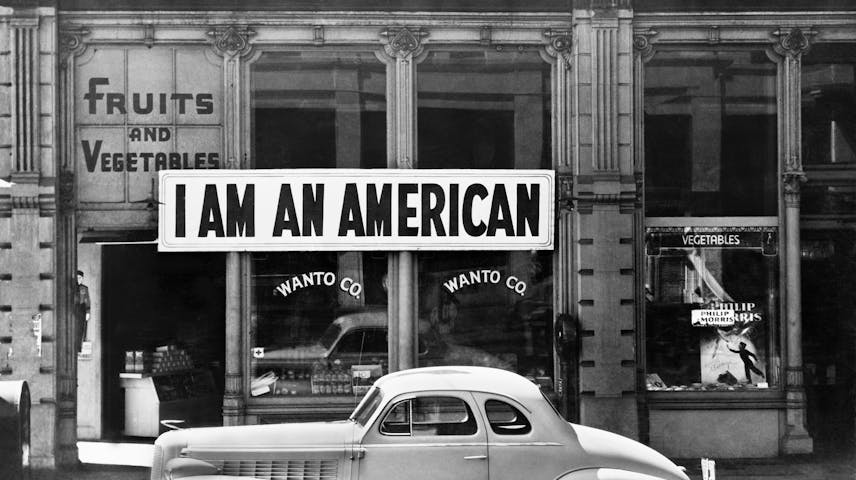
"I am an American"
Library of Congress
A Picture is Worth a Thousand Words: Why Photojournalism Matters Now More Than Ever
Justin Aitken, Photography Tutor at The Photography Institute
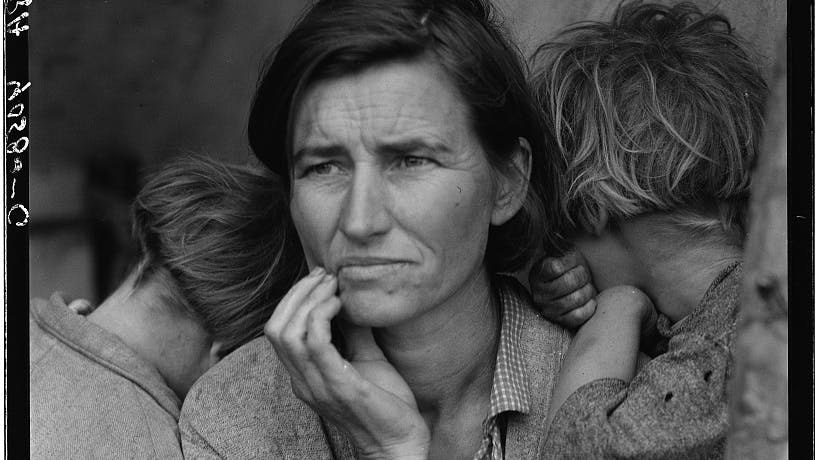
Bearing Witness and Creative Activism
Sondra Bacharach, The Journal of Aesthetics and Art Criticism
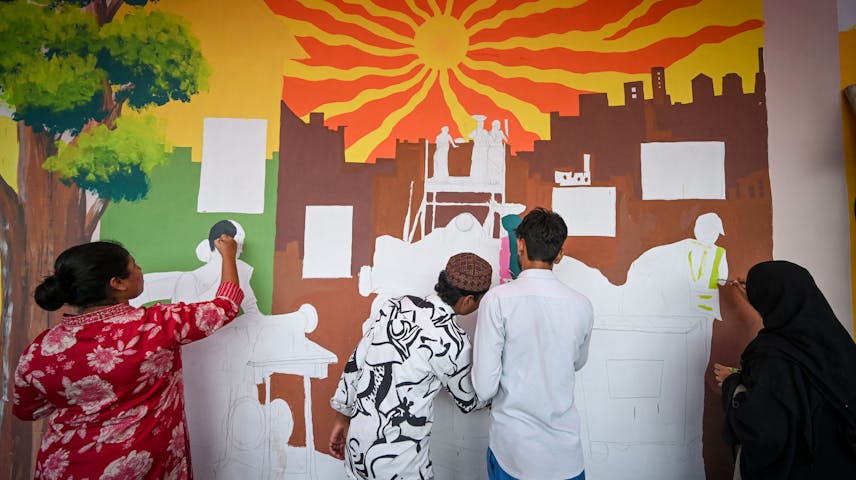
Before Pearl Harbor, L.A. was home to thriving Japanese communities. Here’s what they were like
Patt Morrison, Los Angeles Times
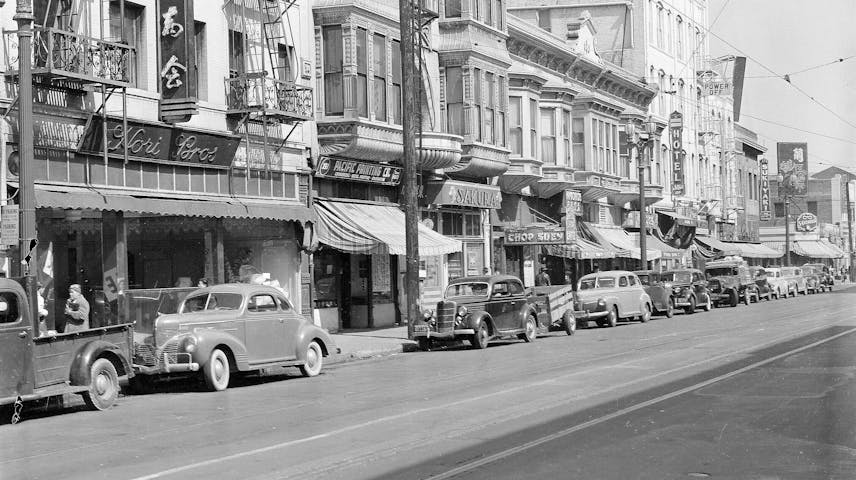
Daily Life on the Homefront
Dorothea Lange, Oakland Museum of California
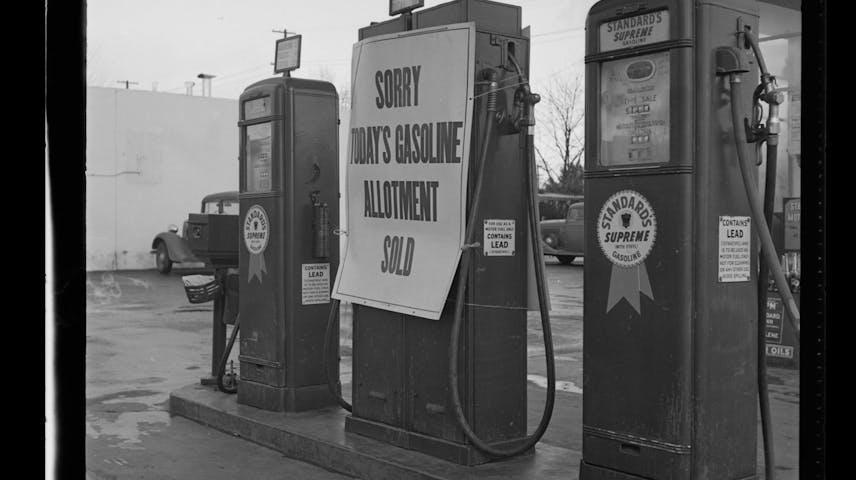
Exposing Injustice: Incarceration of Japanese Americans
Dorothea Lange Digital Archive at the Oakland Museum of California
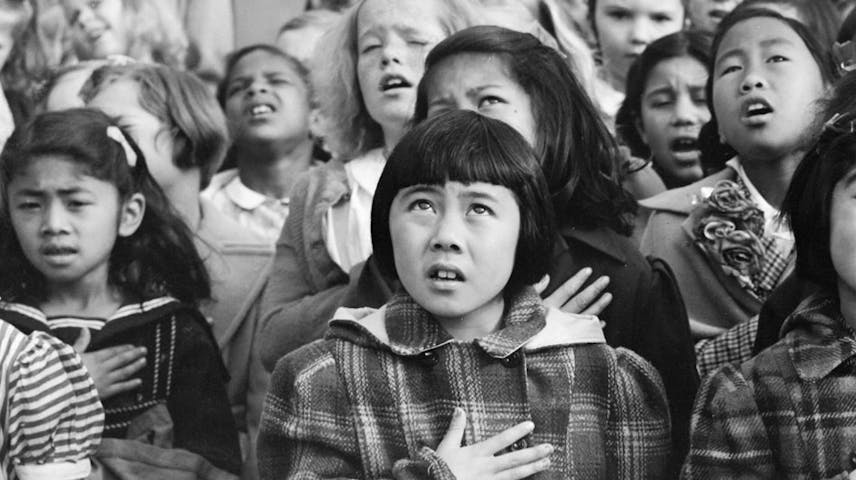
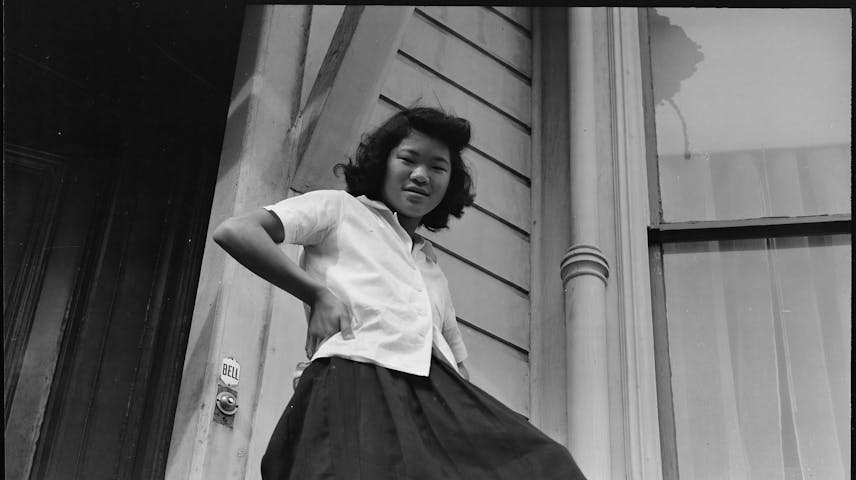
In Response to Executive Order 9066: All Americans of Japanese Descent Must Report to Relocation Centers
Dwight Okita
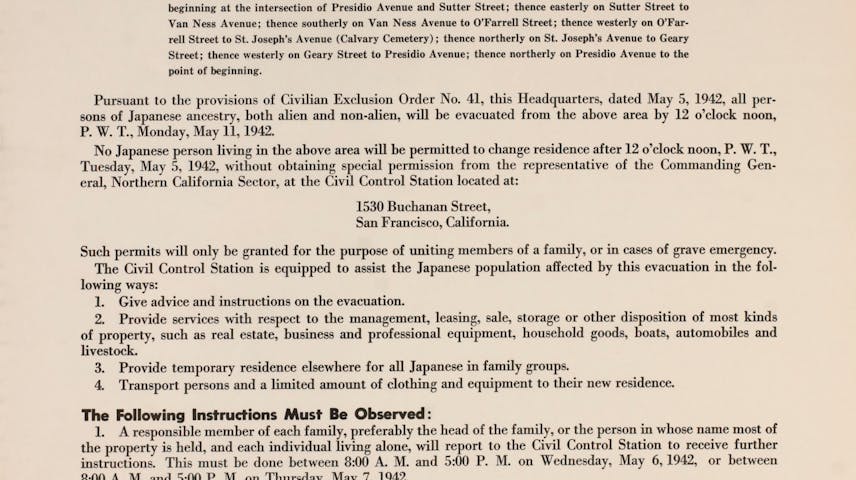
Instructions to All Persons of Japanese Ancestry and Glossary of Terms
National Parks Service
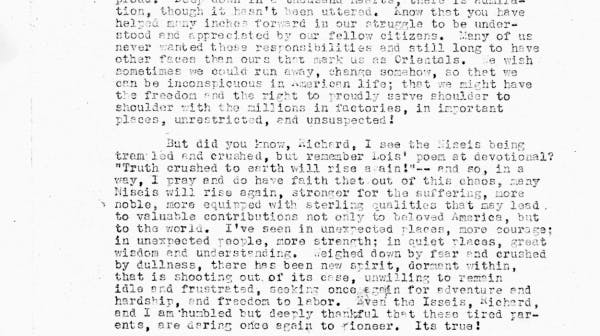
Letter from Mary Tsukamoto to “Richard,” Soldier in the 442nd Regimental Combat Team, October 21, 1943
California State University
Letter to Clara Breed from Fusa Tsumagari, Poston, Arizona, October 9, 1942
Japanese American National Museum
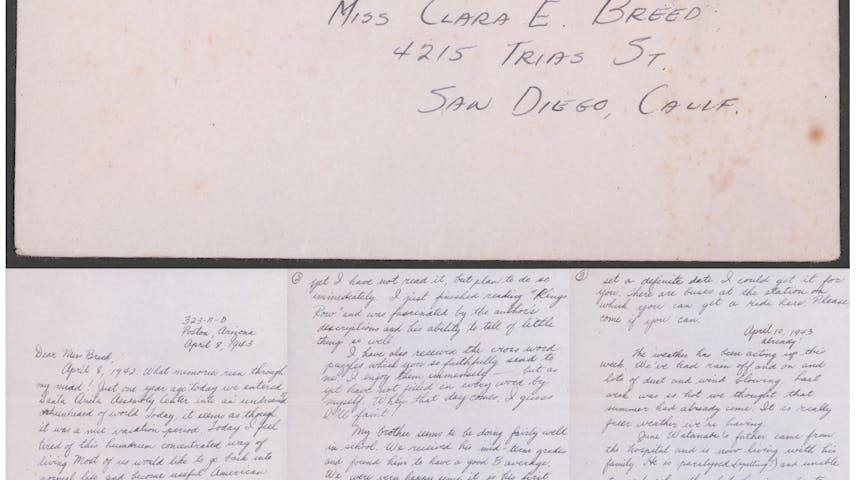
Photos: 3 Very Different Views Of Japanese Internment
Adrian Florido, NPR
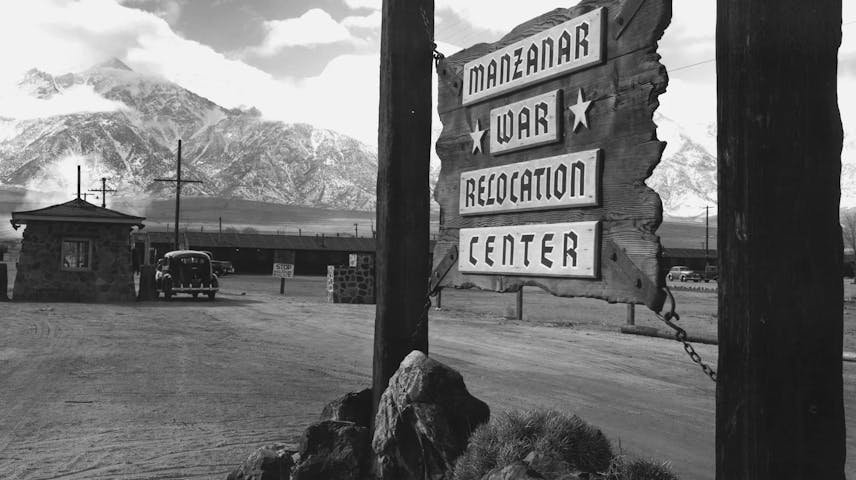
Powers of Persuasion
National Archives
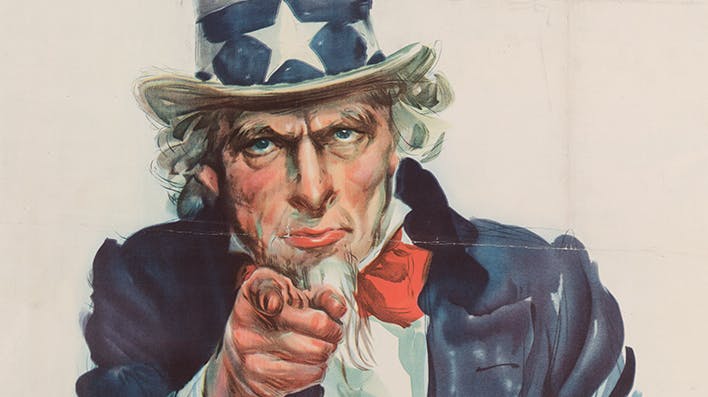
Statement of United States Citizen of Japanese Ancestry
Densho
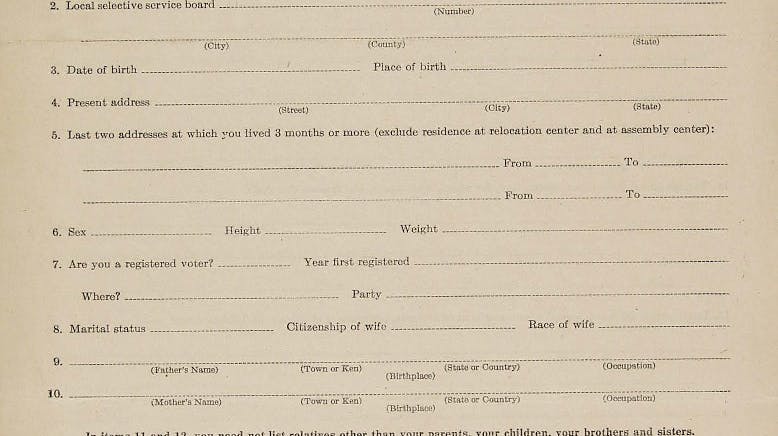
Surviving Poston’s Desert Heat: Cellars, Fans, Ponds and Gardens
Roy Kakuda, Discover Nikkei
The “Loyalty Questionnaire” of 1943 Opened a Wound that has Yet to Heal
Natasha Varner, Densho