Loading course navigation
Loading unit
What Are Myths?
Tanu Wakefield, Newsela staff
Content
Students will use textual evidence to explain the concept of myths and analyze the purposes they serve across different cultures.
Language
Students will use evidence-based sentence frames with because and the academic verb reveals to explain how a text conveys ideas.
Foundational Skills
Students will use the morphemes to determine the meaning of mythology.
Content
Students will cite evidence from multiple informational texts to explain how features of ancient Greek life and belief could shape myths.
Language
Students will combine facts and predictions using because, since, and use precise domain-specific vocabulary.
Foundational Skills
Students will reread short informational excerpts aloud, pausing at punctuation to support accuracy and meaning.
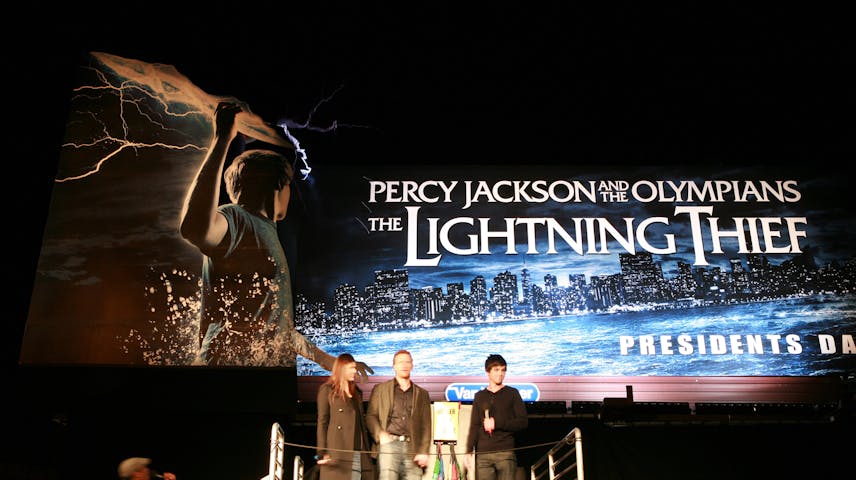
Percy Jackson and Mythology
Library of Congress, adapted by Newsela
Content
Students will compare classic mythological ideas with Rick Riordan’s modern adaptations to understand how ancient stories are reshaped for today’s audiences.
Language
Students will use comparative language, including while, unlike, and both . . . but, to explain similarities and differences between traditional myths and modern adaptations.
Foundational Skills
Students will use the prefix trans- to determine the meanings of transform and transport and connect those meanings to adaptation.
The Lightning Thief (Percy Jackson and the Olympians, Book 1)
Rick Riordan

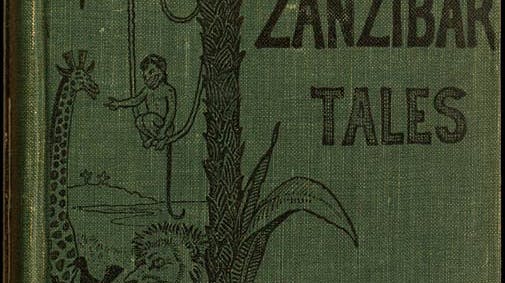
The Hare and the Lion
From Zanzibar Tales
Content
Students will analyze how Percy’s first-person narration and word choice reveal his perspective in Chapter 1.
Language
Students will explain how narration shapes tone by embedding textual evidence with noun clauses and transitions.
Foundational Skills
Students will use context clues to determine the meaning of immortal and confirm their thinking with the root mort.
The Lightning Thief (Percy Jackson and the Olympians, Book 1)
Rick Riordan
The Hare and the Lion
From Zanzibar Tales
Content
Students will compare Percy and Soongoora and then analyze how repeated tricks in “The Hare and the Lion” develop the idea that cleverness can challenge power and community rules.
Language
Students will use comparative transitions, embedded evidence, and concluding language to write a cohesive explanatory paragraph that connects multiple examples across a text
Foundational Skills
Students will orally rehearse comparative sentences using signal words such as while, unlike, and both . . . and.
The Lightning Thief (Percy Jackson and the Olympians, Book 1)
Rick Riordan
Content
Students will analyze how events in the museum scene intensify conflict and contribute to rising action in Chapter 2.
Language
Students will explain how one episode advances the plot using temporal and causal language and embedded evidence.
Foundational Skills
Students will determine the meaning of a word using a suffix and explain how the suffix changes the word’s function in a sentence.
The Lightning Thief (Percy Jackson and the Olympians, Book 1)
Rick Riordan
Content
Students will determine a central idea in Chapter 2, pp. 23–28, and explain how repeated adult disapproval and doubt shapes Percy’s isolation and identity.
Language
Students will summarize a section objectively and paraphrase key events using temporal and causal connectors.
Foundational Skills
Students will use context clues and shades of meaning to determine the meanings of chattering and mournfully.
The Lightning Thief (Percy Jackson and the Olympians, Book 1)
Rick Riordan
Content
Students will analyze how word choice and connotation reveal Percy’s relationships and values in Chapter 3.
Language
Students will explain contrasts using precise vocabulary about connotation, atmosphere, and values in oral and written responses.
Foundational Skills
Students will use Greek roots and affixes to determine and verify the meaning of sympathy and related feeling words.
Content
Students will analyze how the Minotaur attack functions as a turning point that shifts Percy from his ordinary world into a new reality.
Language
Students will explain before-and-after scenarios using temporal language and cause-and-effect phrases.
Foundational Skills
Students will use sequencing words and phrases to describe events in a story.
The Raven Myth
Collected in Myths and Legends of Alaska, by Katharine Berry Judson

Content
Students will analyze how specific words and dialogue build suspense in Chapter 4 of The Lightning Thief.
Language
Students will explain how dialogue and word choice reveal meaning using multi-clause sentences and precise academic vocabulary.
Foundational Skills
Students will retrieve and accurately use high-tension vocabulary in new sentence contexts.
The Lightning Thief (Percy Jackson and the Olympians, Book 1)
Rick Riordan
The Raven Myth
Collected in Myths and Legends of Alaska, by Katharine Berry Judson
Content
Students will compare how Percy and Raven experience transformative experiences that reshape their worlds.
Language
Students will use comparison transitions, precise academic language, and formal explanatory sentences to explain shared ideas across two texts.
Foundational Skills
Students will form abstract nouns from verbs and adjectives to write conceptual topic sentences.
The Lightning Thief (Percy Jackson and the Olympians, Book 1)
Rick Riordan
Content
Students will analyze how writers and creators shape the mood of a story.
Language
Students will explain similarities and differences between the novel and film using precise language, comparative transitions, and subordinating conjunctions.
Foundational Skills
Students will combine simple sentences with although, whereas, and while to clarify contrast in character emotions and tone.
Content
Students will analyze how the author uses descriptive language in Chapter 7 to establish the setting and create a mood for the reader.
Language
Students will explain how traditions shape meaning by using interpretive phrases, expanded noun phrases, and appositive structure in discussion and writing.
Foundational Skills
Students will decode multisyllabic words by dividing them into syllables to support accurate pronunciation and meaning-making.
Content
Students will analyze Percy's development from an outsider to a leader by tracking his training experiences and interactions with other campers in Chapter 8.
Language
Students will explain how a sequence of events shows character development using temporal transitions and abstract academic nouns.
Foundational Skills
Students will use context clues, reference materials, and an analytical symbolism frame to determine word meaning and interpret imagery.
The Popol Vuh: The Mythic and Heroic Sagas of the Kʼicheʼ People of Central America
Members of the Kʼicheʼ Maya nobility, translated by Lewis Spence

Content
Students will compare how The Lightning Thief and Popol Vuh use contests to reveal heroism and identity.
Language
Students will use comparative transitions, abstract nouns, and clear pronoun case to write a cohesive explanatory paragraph.
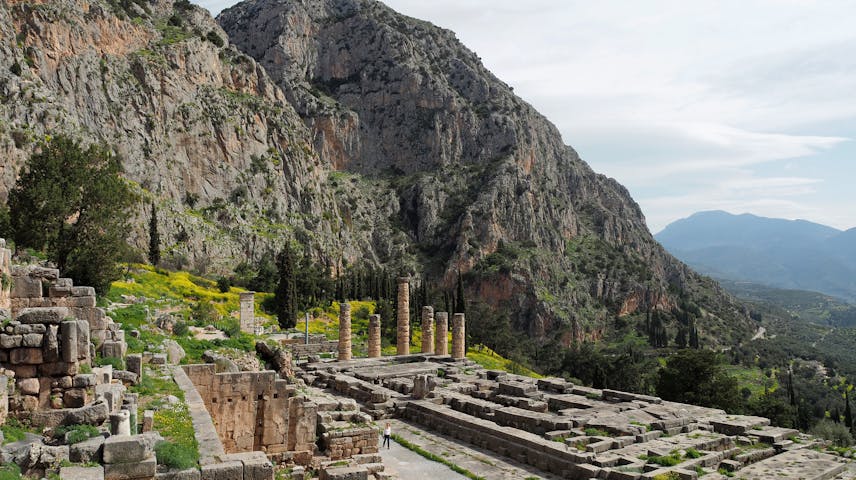
The Oracle of Delphi
Standard News Bureau
Content
Students will determine the central idea of The Oracle of Delphi and compare how the informational text and Chapter 9 present the Oracle.
Language
Students will explain what the prophecy states and implies using evidence, cause-and-effect language, and symbolism frames.
Foundational Skills
Students will break words into prefix, root, and suffix to determine meaning and spelling.
Content
Students will compare the portrayal of Percy’s decisions during a key scene in both the text and film versions of the story.
Language
Students will explain Percy’s choices using causal language and comparison words to connect evidence from the novel and film.
Foundational Skills
Students will read the bus-fight scene aloud with pacing and emphasis by using punctuation cues to build tension.
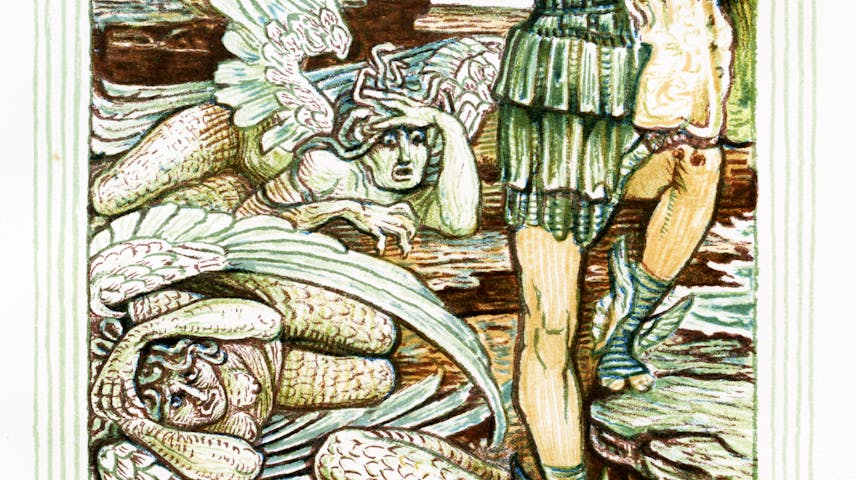
The Quest of Medusa’s Head
James Baldwin, Old Greek Stories
Content
Students will compare a traditional Medusa retelling and Riordan’s Chapter 11 scene to explain how a modern retelling changes the portrayal of Medusa and shifts ideas about power, responsibility, and monsters.
Language
Students will use compare-contrast transitions and attribution frames to write an explanatory paragraph about how two texts develop a shared myth differently.
Foundational Skills
Students will use intensive pronouns and clear noun naming to avoid unclear pronoun references when comparing two versions of a myth.
The Lightning Thief (Percy Jackson and the Olympians, Book 1)
Rick Riordan
The Hare and the Lion
From Zanzibar Tales
The Oracle of Delphi
Standard News Bureau
The Popol Vuh: The Mythic and Heroic Sagas of the Kʼicheʼ People of Central America
Members of the Kʼicheʼ Maya nobility, translated by Lewis Spence
The Quest of Medusa’s Head
James Baldwin, Old Greek Stories
The Raven Myth
Collected in Myths and Legends of Alaska, by Katharine Berry Judson
Content
Students will engage in a structured academic discussion to identify recurring patterns of cultural values across myths, informational text, and The Lightning Thief.
Language
Students will use discourse markers, abstract nouns, and evidence-based explanation frames to build on peers’ ideas during a Socratic Seminar.
Foundational Skills
Students will practice discourse markers for seminar escalation, including “Building on ___’s point . . . ,” “A recurring pattern is . . . ,” and “This reflects the cultural belief that . . .”
Content
Students will demonstrate mastery of grade-level skills and concepts by applying their knowledge and critical thinking in a summative assessment environment.
Language
Students will interpret academic vocabulary and complex sentence structures within assessment stems to identify precise relationships between ideas.
Content
Students will strengthen their ability to analyze character development, compare mythic patterns across texts, and correct inappropriate pronoun shifts.
Language
Students will use evidence-based explanation, comparative language, and consistent pronoun reference in speaking and writing.
Content
Students will develop research skills to answer a question about how different cultures explain one natural phenomenon through myth. Then they will gather relevant information from multiple sources, note source credibility, and draw evidence from sources to draft a synthesis claim.
Language
Students will use comparative transitions and attribution phrases to explain where sources agree, where they differ, and what those patterns reveal.
Content
Students will gather relevant information from research materials and digital sources and assess whether their synthesis writing uses respectful attribution and complete source information before sharing or publishing online.
Language
Students will use attribution phrases, specific culture and community names, and explanatory language to revise and discuss their research responsibly.
The Lightning Thief (Percy Jackson and the Olympians, Book 1)
Rick Riordan
Content
Students will analyze how the underwater sequence functions as a turning point in Chapter 14 of The Lightning Thief.
Language
Students will use temporal language, nuance verbs, and comparative transitions to explain how Percy’s identity development is revealed in this scene.
Foundational Skills
Students will read the underwater action scene aloud with pacing and emphasis on temporal connectors to signal a shift in the action.
The Lightning Thief (Percy Jackson and the Olympians, Book 1)
Rick Riordan
The Song of Ares and Aphrodite
Homer, from the Odyssey
Content
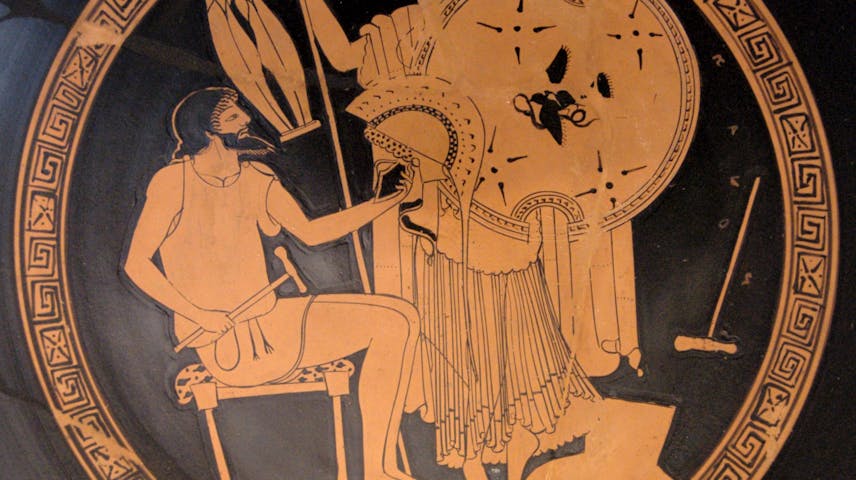
Students will compare Chapter 15 of The Lightning Thief with an abridged version of Homer’s “The Song of Ares and Aphrodite” from The Odyssey to analyze how a modern retelling transforms a mythic rivalry.
Language
Students will use comparative transitions, tone words, and precise academic language to explain how Riordan shifts mood and register across versions.
Foundational Skills
Students will use context clues and word parts to determine the meaning of temperamental.
Content
Students will introduce a topic and organize ideas by planning a modern retelling of a mythic archetype.
Language
Students will use comparative and explanatory language to state how a retelling maintains and shifts an archetype.
Foundational Skills
Students will analyze how the suffix -tion changes action verbs into abstract nouns for explanatory writing.
The Lightning Thief (Percy Jackson and the Olympians, Book 1)
Rick Riordan
Content
Students will revise an explanatory draft to clarify how a modern retelling preserves archetypal elements while changing setting, point of view, or message.
Language
Students will use comparative and causal connectors to link concrete changes in a retelling to interpretive claims about meaning.
Foundational Skills
Students will revise for cohesion by using comparative connectors to explain how a retelling preserves mythic patterns while changing modern details.
The Lightning Thief (Percy Jackson and the Olympians, Book 1)
Rick Riordan
Content
Students will analyze how Riordan develops the DOA lobby setting and Charon’s rule-bound behavior to portray the Underworld entrance as a bureaucratic unknown.
Language
Students will explain how the threshold scene advances the plot using precise descriptive vocabulary, evidence-based verbs, and transitions.
Foundational Skills
Students will use root and word-part clues in setting words to build meaning about the Underworld environment.
The Lightning Thief (Percy Jackson and the Olympians, Book 1)
Rick Riordan
Virgil’s Aeneid Book 6 Excerpt
Virgil

Content
Students will compare Riordan’s and Virgil’s Underworlds and draft an informative introduction that explains how each text portrays the danger of death.
Language
Students will use comparative transitions, abstract nouns, and nuance verbs to write a cohesive introductory comparison.
Foundational Skills
Students will maintain consistent pronoun number and person when attributing ideas across two texts.
The Lightning Thief (Percy Jackson and the Olympians, Book 1)
Rick Riordan
Content
Students will analyze how Percy and Hades develop contrasting claims and points of view during their confrontation.
Language
Students will explain character claims using logical connectors and comparative transitions to show misunderstanding and conflict.
Foundational Skills
Students will decode multisyllabic academic words using syllable division and pronounce them accurately during oral analysis.
The Lightning Thief (Percy Jackson and the Olympians, Book 1)
Rick Riordan
Content
Students will analyze how Percy’s actions during the battle with Ares develop the plot and resolve a major conflict about identity.
Language
Students will explain cause-and-effect relationships and character growth using temporal and causal language to analyze a climactic scene.
Foundational Skills
Students will use context clues and word parts to determine the meaning of disintegrate in the battle scene.
Homer’s The Iliad Book 1 Excerpt
Homer, translated by Samuel Butler
Content
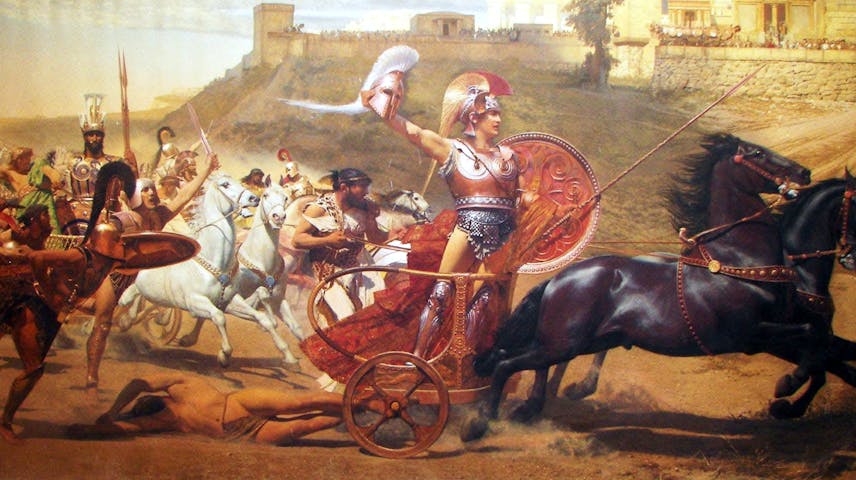
Students will analyze how Homer and Riordan describe Olympus to reveal different ideas about power and authority.
Language
Students will use cohesive comparative language and abstract nouns to write an explanatory comparison of two portrayals of Olympus.
Foundational Skills
Students will correct vague pronouns to make comparisons between texts clear.
Content
Students will analyze how Percy’s first-person narration and dialogue with Zeus and Poseidon reveal power dynamics and resolve the conflict in Chapter 21.
Language
Students will explain how narration shapes perception using precise adjectives, evidence-based verbs, and causal connectors.
Foundational Skills
Students will use Greek and Latin roots and affixes to determine the meanings of words that show authority and interruption in the chapter confrontation.
The Lightning Thief (Percy Jackson and the Olympians, Book 1)
Rick Riordan
Content
Students will determine how Luke’s betrayal and Percy’s final choice resolve themes of identity, belonging, and agency in Chapter 22.
Language
Students will explain character choices using synthesis frames, abstract nouns, and cause/effect transitions in discussion and writing.
Foundational Skills
Students will read a closing passage with phrasing, pacing, and tone that match character emotion and perspective.
Homer’s The Odyssey Book 13 Excerpt
Homer
Content
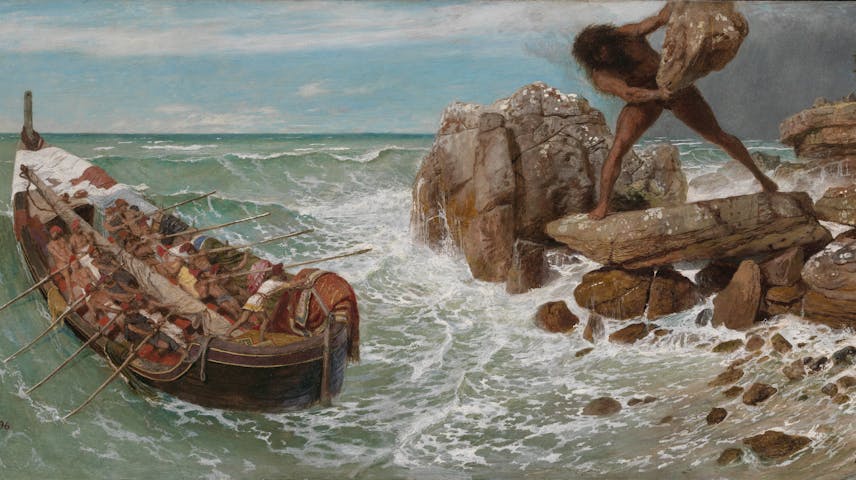
Students will compare Percy’s return to New York with Odysseus’s return to Ithaca and explain how each hero shows courage at the end of a journey.
Language
Students will use comparative transitions and formal academic phrasing to write a cohesive explanatory paragraph about homecoming.
Foundational Skills
Students will revise informal or non-standard comparison sentences into a formal register suited to explanatory writing.
Content
Students will compare how The Lightning Thief, ancient myths, and a film adaptation portray heroes exploring the unknown.
Language
Students will use comparative transitions, discourse markers, and precise academic vocabulary to build extended oral explanations in a seminar.
Foundational Skills
Students will practice discourse synthesis by using transition frames to connect ideas across texts and adaptations.
Content
Students will demonstrate mastery of grade-level skills and concepts by applying their knowledge and critical thinking in a summative assessment environment.
Language
Students will interpret academic vocabulary and complex sentence structures within assessment stems to identify precise relationships between ideas.
Content
Students will compare how two informational texts present the same topic, use intensive pronouns for emphasis, and recognize variations from standard English and revise expression into conventional language.
Language
Students will explain similarities, differences, emphasis choices, and sentence revisions using comparative language, grammatical terms, and precise academic verbs.
Homer’s The Odyssey Book 13 Excerpt
Homer
Content
Students will plan a comparative explanatory essay that compares myths from two cultures, states a clear thesis, and begins a myth comparison visual that supports the claim.
Language
Students will use comparative transitions and cohesive language to clearly explain relationships among myths and organize their ideas for writing.
Foundational Skills
Students will rehearse complex thesis statements using subordinating conjunctions to clarify relationships among myths.
The Lightning Thief (Percy Jackson and the Olympians, Book 1)
Rick Riordan
Content
Students will draft an explanatory introduction and body paragraph using evidence from myths across cultures.
Language
Students will connect evidence to analysis by using precise academic verbs, varied sentence structures, and clear linking language.
Foundational Skills
Students will expand sentences with appositives and prepositional phrases to add clarity and style to essay drafts.
The Lightning Thief (Percy Jackson and the Olympians, Book 1)
Rick Riordan
Content
Students will continue drafting the Comparative Explanatory Essay by developing body paragraphs with relevant evidence and analysis and by writing a conclusion that synthesizes what the texts reveal. Students will also revise their Myth Comparison Visual so it clearly supports the essay’s shared idea.
Language
Students will use logical transitions and formal academic language to connect ideas across paragraphs and explain what evidence reveals about cultural values or human experiences.
Foundational Skills
Students will revise for consistent verb tense and formal tone.
The Lightning Thief (Percy Jackson and the Olympians, Book 1)
Rick Riordan
Content
Students will revise and digitally publish explanatory essays for clarity, cohesion, and formal style using feedback, a rubric, and a revision checklist.
Language
Students will use constructive feedback stems, comparative transitions, and precise academic language to explain revision choices and strengthen conclusions.
Foundational Skills
Students will apply capitalization, punctuation, and spelling conventions to polish myth writing.
The Lightning Thief (Percy Jackson and the Olympians, Book 1)
Rick Riordan
Content
Students will revise, finalize, and digitally publish an explanatory essay so that claims, evidence, conclusion, and visual representation work together clearly.
Language
Students will use precise pronouns, formal style, and explanatory language to connect evidence and visuals to a thesis.
Foundational Skills
Students will conduct a final terminology and pronoun check to maintain clarity and consistency across the full essay.
Content
Students will strengthen explanatory writing by using precise language, maintaining formal style, and writing conclusions that synthesize ideas.
Language
Students will revise sentences using domain-specific vocabulary, formal academic phrasing, and concluding language that connects details to a larger idea.
The Lightning Thief (Percy Jackson and the Olympians, Book 1)
Rick Riordan
Content
Students will present claims about how myths reveal cultural values or human experiences by comparing The Lightning Thief with a myth from the unit and explaining how visual evidence supports their reasoning.
Language
Students will use transitions, evidence frames, and formal academic language to present ideas and respond to audience questions.
Foundational Skills
Students will rehearse clear pronunciation of myth names and complete evidence-based sentences for oral delivery.