Loading course navigation
Loading unit
Striking Black and White Photos Capture the Black Experience in 1940s South Side Chicago
Edwin Rosskam, Library of Congress

Content
Students will analyze historical photographs to describe what is happening, support ideas with visual evidence, and learn about daily life in the South Side of Chicago in the 1940s.
Language
Students will use precise observation language and cause-thinking words such as because, so, and this suggests to explain how visual details support their ideas.
“Harlem”
Langston Hughes

Black Americans and the Racist Architecture Of Homeownership
Ailsa Chang, Christopher Intagliata, Jonaki Mehta, NPR
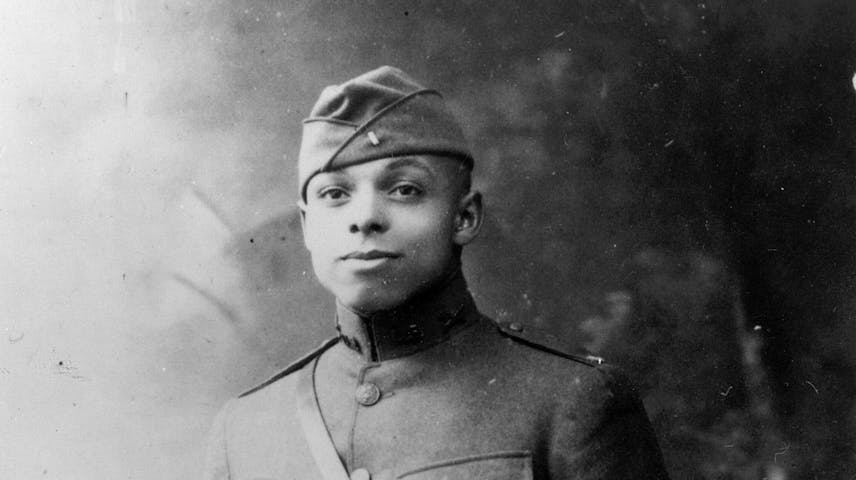
Striking Black and White Photos Capture the Black Experience in 1940s South Side Chicago
Edwin Rosskam, Library of Congress
Content
Students will analyze how word choice, punctuation, line breaks, and format shape meaning in the poem “Harlem.”
Language
Students will explain how a dream may be deferred by using evidence from a photograph and a poem, including precise words such as deferred, punctuation, line break, and tone.
Foundational Skills
Students will read a poem aloud with attention to punctuation, pauses, and phrasing.
Black Americans and the Racist Architecture Of Homeownership
Ailsa Chang, Christopher Intagliata, Jonaki Mehta, NPR
Content
Students will cite textual evidence from the beginning of a non-fiction article and determine the meaning of domain-specific vocabulary to explain how the text presents homeownership as a dream with distinct barriers for some Americans.
Language
Students will explain ideas from the article by quoting or paraphrasing specific details and using cause-effect language and precise academic vocabulary.
Foundational Skills
Students will use context and repeated exposure to confirm the meaning of key housing terms.
Black Americans and the Racist Architecture Of Homeownership
Ailsa Chang, Christopher Intagliata, Jonaki Mehta, NPR
Content
Students will determine the meaning of key phrases in an informational text and cite evidence to explain how racist housing practices limited Black homeownership.
Language
Students will explain phrase meaning and author’s purpose using precise verbs and evidence-linking language in discussion and writing.
Foundational Skills
Students will use repeated terms, surrounding sentences, and text structure to interpret unfamiliar academic phrases accurately while reading.
A Raisin in the Sun
Lorraine Hansberry

Content
Students will analyze how Lorraine Hansberry uses the dedication and opening stage directions to introduce central ideas about dreams, family, and constraint.
Language
Students will use precise evidence language and cause-effect connectors to explain what the setting suggests about the Younger family’s life.
Foundational Skills
Students will decode and spell multi-morphemic words built from the root grat and the suffix -itude.
A Raisin in the Sun
Lorraine Hansberry
Content
Students will analyze how dialogue, stage directions, and character actions develop Ruth, Walter, and Beneatha in Act I, Scene 1 through indirect characterization.
Language
Students will use characterization vocabulary and evidence-linking language to explain how Hansberry reveals characters through direct and indirect characterization.
Foundational Skills
Students will read dramatic dialogue aloud with attention to punctuation, speaker labels, and stage directions to support meaning.
A Raisin in the Sun
Lorraine Hansberry
Content
Students will analyze how Ruth, Beneatha, and Mama respond to barriers in Act I, Scene 1.
Language
Students will compare characters using precise verbs and contrast language to explain how their dreams and responses differ.
Foundational Skills
Students will read dialogue and stage directions with attention to phrasing, speaker cues, and meaning.
A Raisin in the Sun
Lorraine Hansberry
Content
Students will analyze how Beneatha’s conflicts with Mama, Ruth, and George reveal her character and perspective.
Language
Students will explain contrasting values using precise verbs and contrast language to connect dialogue to character perspective.
Foundational Skills
Students will read dialogue and stage directions fluently to support comprehension of conflict in drama.
A Raisin in the Sun
Lorraine Hansberry
Black Americans and the Racist Architecture Of Homeownership
Ailsa Chang, Christopher Intagliata, Jonaki Mehta, NPR
Content
Students will draw evidence from literary and informational texts to support analysis of what the two texts together reveal about homeownership and opportunity.
Language
Students will use cross-text transitional phrases and evidence-linking language to connect quotations from two texts in one analytical paragraph.
A Raisin in the Sun
Lorraine Hansberry
Content
Students will analyze how dialogue, actions, stage directions, and context clues reveal character response, point of view, and word meaning in a short passage.
Language
Students will explain literary analysis using precise verbs, evidence-based sentence frames, and contrast language.
A Raisin in the Sun
Lorraine Hansberry
Content
Students will analyze how dialogue and actions reveal what Beneatha, Asagai, and George value in Act I, Scene 2.
Language
Students will explain character perspective using contrast language and precise evidence-based verbs in discussion and writing.
Foundational Skills
Students will read dialogue and stage directions fluently and use context clues to determine word meaning.
A Raisin in the Sun
Lorraine Hansberry
Content
Students will determine how Mama’s decision develops a central theme in Act I of A Raisin in the Sun.
Language
Students will compare the written play and a film version using precise comparison language and evidence-based explanation.
Foundational Skills
Students will read dramatic dialogue and stage directions with phrasing, attention to punctuation, and character voice.
Black Americans and the Racist Architecture Of Homeownership
Ailsa Chang, Christopher Intagliata, Jonaki Mehta, NPR
Content
Students will learn about claims and counterclaims for argument writing about government responsibility for the lasting effects of redlining.
Language
Students will use counterclaim connectors and evidence-linking phrases to draft an argument paragraph and rebuttal.
A Raisin in the Sun
Lorraine Hansberry
Black Americans and the Racist Architecture Of Homeownership
Ailsa Chang, Christopher Intagliata, Jonaki Mehta, NPR
Content
Students will support a claim with relevant evidence and draft a conclusion that follows from the argument about housing discrimination and responsibility.
Language
Students will revise their argument drafts for formal style by replacing informal words and phrases with precise academic language.
A Raisin in the Sun
Lorraine Hansberry
Content
Students will analyze how Hansberry’s word choice and stage directions reveal Walter’s inner thoughts and shifting mood in Act II, Scene 1.
Language
Students will explain how specific stage directions reveal character using precise verbs and cause–effect language.
Foundational Skills
Students will read dialogue and stage directions fluently, attending to punctuation, speaker cues, and tone.
A Raisin in the Sun
Lorraine Hansberry
Content
Students will analyze how Hansberry and a film director shape sympathy for Walter and Mama during the house conflict.
Language
Students will use concessive connectors and precise comparison verbs to write an analytical response about whose perspective the camera emphasizes.
A Raisin in the Sun
Lorraine Hansberry
Content
Students will present claims and findings about Mama’s decision using relevant evidence from A Raisin in the Sun.
Language
Students will use claim, evidence, rebuttal, and closing language to adapt speech to a structured debate task.
A Raisin in the Sun
Lorraine Hansberry
Content
Students will present claims about Mama’s house decision using relevant textual evidence and clear reasoning.
Language
Students will use rebuttal language, formal speaking moves, and evidence frames to respond directly to peers’ ideas and strengthen their own claims.
A Raisin in the Sun
Lorraine Hansberry
Content
Students will determine a central theme in Act II, Scene 2 and analyze how Walter’s monologue to Travis develops that theme.
Language
Students will explain how dialogue and stage directions reveal tension using precise verbs and evidence-linking phrases.
Foundational Skills
Students will use context clues to determine the meaning of hysterical in a stage direction.
A Raisin in the Sun
Lorraine Hansberry
Content
Students will analyze how a filmed version of a drama interprets Hansberry’s scene of moving-day joy and interruption.
Language
Students will explain comparison using precise verbs and contrast language to connect stage directions and film choices.
Foundational Skills
Students will determine the connotative meaning of stinging and explain how word choice sharpens meaning in a stage direction.
Content
Students will demonstrate mastery of grade-level skills and concepts by applying their knowledge and critical thinking in a summative assessment environment.
Language
Students will interpret academic vocabulary and complex sentence structures within assessment stems to identify precise relationships between ideas.
A Raisin in the Sun
Lorraine Hansberry
Content
Students will analyze how details develop theme, how word choice shapes tone and coded meaning, and how film choices interpret a dramatic scene.
Language
Students will explain interpretations using evidence, comparison language, and precise academic vocabulary.
A Raisin in the Sun
Lorraine Hansberry
Content
Students will analyze how Hansberry’s figurative language and dialogue reveal the emotional cost of the lost insurance money.
Language
Students will explain ideas using figurative-language terms, cause-effect connectors, and evidence-based comparison language in speaking and writing.
Foundational Skills
Students will read dramatic dialogue aloud with phrasing, emphasis, and attention to punctuation, capitalization, and stage directions.
A Raisin in the Sun
Lorraine Hansberry
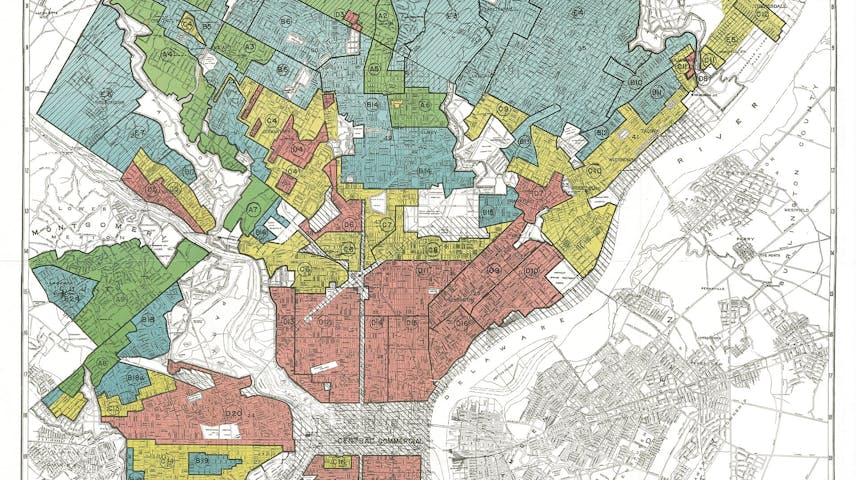
Redlining: How Housing Discrimination Shaped American Neighborhoods
Standard News Bureau
Content
Students will compare and contrast a fictional portrayal of housing exclusion with a historical account of redlining and neighborhood segregation.
Language
Students will explain how vague and coded word choice shapes meaning using comparison language and evidence-based reasoning.
Foundational Skills
Students will use the Latin root unus to determine the meaning of unique and related words.
A Raisin in the Sun
Lorraine Hansberry
Content
Students will cite textual evidence and analyze how Hansberry uses stage directions and a recurring symbol to develop a theme about endurance and hope.
Language
Students will explain cause-and-effect relationships using connectors such as because, so, and as a result in speaking and writing about Mama’s final actions.
Foundational Skills
Students will determine the meaning of an unfamiliar word using context clues and read dramatic dialogue and stage directions with phrasing and accuracy.
A Raisin in the Sun
Lorraine Hansberry
Content
Students will introduce a precise claim, support it with relevant evidence from A Raisin in the Sun, and acknowledge and respond to an alternate claim about Mama’s decision to buy the house in Clybourne Park.
Language
Students will use transitional words, phrases, and clauses to connect claims to evidence and evidence to reasoning in an argumentative essay draft.
“I Have a Dream”
Martin Luther King Jr.

Content
Students will analyze how Martin Luther King Jr. uses an extended financial metaphor to develop a claim about justice and opportunity and to shape the audience’s understanding and response.
Language
Students will attribute a source using author, title, date, and medium, explain figurative meaning using precise academic language, and evaluate a source’s usefulness for research.
“I Have a Dream”
Martin Luther King Jr.
Content
Students will evaluate the argument in the first four paragraphs of “I Have a Dream” by identifying claim, evidence, and reasoning and judging whether the argument is convincing and useful for research.
Language
Students will explain how a speaker’s pacing, tone, and emphasis strengthen an argument using precise evidence-based language and attribution.
A Raisin in the Sun
Lorraine Hansberry
Black Americans and the Racist Architecture Of Homeownership
Ailsa Chang, Christopher Intagliata, Jonaki Mehta, NPR
Content
Students will engage in collaborative discussions about barriers in A Raisin in the Sun and the NPR article “Black Americans and the Racist Architecture of Homeownership,” and use these discussions to develop ideas for their research. argument.
Language
Students will use evidence-linking stems, precise academic vocabulary (including socioeconomic), and peer-response moves to support and refine claims during a Socratic Seminar.
A Raisin in the Sun
Lorraine Hansberry
Content
Students will conduct short research to generate a focused inquiry about a modern barrier to opportunity.
Language
Students will use precise academic vocabulary to explain how a barrier affects opportunity and why solutions should be equitable.
Content
Students will generate and refine focused inquiry questions for a research topic using relevant evidence from their notes and sources.
Language
Students will use precise question stems, barrier-group-impact language, and explanation frames to write a focused and arguable research question.
Foundational Skills
Students will accurately read, spell, and use multisyllabic academic words related to inquiry and argument.
Content
Students will evaluate the credibility of research sources and gather relevant source information for a Works Cited list.
Language
Students will articulate multi-clause reasoning using because, since, although, and while to explain why a source is or is not credible and to describe citation choices.
Content
Students will gather relevant evidence from credible sources and draw evidence from informational texts to support a developing claim about a modern barrier to opportunity.
Language
Students will use attribution frames, direct quotation, and paraphrase to integrate source evidence clearly and ethically into a short research response.
Content
Students will develop a claim about a research-based solution to a contemporary barrier and support the claim with relevant evidence from sources.
Language
Students will use attribution phrases, evaluation language, and cause–effect connectors to explain why one solution is more convincing than another.
A Raisin in the Sun
Lorraine Hansberry
Content
Students will introduce precise claims and support them with logical reasoning and relevant evidence from research.
Language
Students will use connectors and solution language to draft a claim that names a barrier, explains how it shapes people’s opportunities, and proposes a change.
Content
Students will support claims with logical reasoning and relevant evidence as they draft argumentative essays about a contemporary barrier to opportunity.
Language
Students will use simple, compound, complex, and compound-complex sentences to signal relationships among ideas in an essay draft.
Content
Students will demonstrate mastery of grade-level skills and concepts by applying their knowledge and critical thinking in a summative assessment environment.
Language
Students will interpret academic vocabulary and complex sentence structures within assessment stems to identify precise relationships between ideas.
A Raisin in the Sun
Lorraine Hansberry
Content
Students will strengthen targeted reading, argument analysis, and research skills based on current formative data.
Language
Students will explain comparisons, trace claims and evidence, and refine research questions using precise academic language.
A Raisin in the Sun
Lorraine Hansberry
Content
Students will revise an argumentative paragraph to introduce and maintain a clear claim or counterclaim using sentence variety and formal tone.
Language
Students will combine clauses, use appositives, and vary sentence length to strengthen explanation and rebuttal writing.
A Raisin in the Sun
Lorraine Hansberry
Content
Students will introduce and support a rebuttal paragraph that answers a counterclaim with relevant evidence from research.
Language
Students will use contrast connectors and rebuttal frames to acknowledge an opposing claim and explain why the evidence supports their central argument.
A Raisin in the Sun
Lorraine Hansberry
Content
Students will strengthen claim writing, counterclaim writing, and reasoning with evidence based on current formative data.
Language
Students will state arguable claims, acknowledge counterclaims fairly, and explain how evidence supports a claim, using precise academic language.
A Raisin in the Sun
Lorraine Hansberry
Content
Students will revise an argument to acknowledge alternate claims, establish a formal style, and improve coherence with transitions.
Language
Students will use transition phrases and contrast connectors to clarify relationships among claims, evidence, counterclaims, rebuttals, and conclusions.
A Raisin in the Sun
Lorraine Hansberry
Content
Students will revise argumentative writing to establish and maintain a formal style by correcting dangling modifiers in their research drafts.
Language
Students will explain revision choices using precise grammar language and actor-action relationships in sentences with opening phrases.
A Raisin in the Sun
Lorraine Hansberry
Content
Students will evaluate how a partner’s argument is supported with relevant evidence and reasoning and suggest revisions.
Language
Students will use formal peer-feedback stems and precise academic language to discuss and write revision suggestions.
A Raisin in the Sun
Lorraine Hansberry
Content
Students will strengthen cohesion, formal style, and conclusion writing in argumentative writing based on current formative data.
Language
Students will use connection words to link claims, reasons, and evidence; revise sentences for a more formal tone; and write conclusions that follow from and support an argument.