Loading course navigation
Loading unit
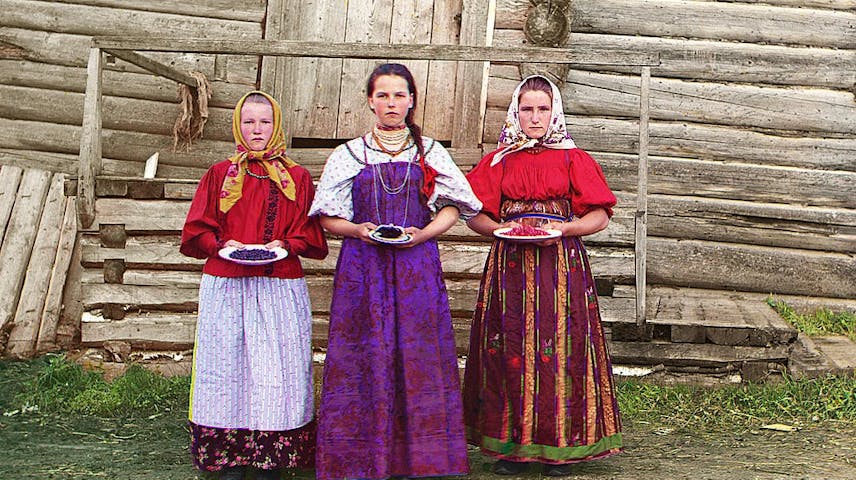
Photographs of Pre-Revolution Russian Empire
Library of Congress, adapted by Newsela
Content
Students will learn about the concept of political revolution by examining the conditions and problems that led to the Russian Revolution through a gallery walk activity.
Language
Students will explain causes of revolution using visual evidence by using cause–effect connectors (because, leads to, results in), descriptive academic language (inequality, oppression, instability), and evidence-based explanation frames (The image shows . . . , This suggests . . .).
Soviet Propaganda Posters and Their Purposes
Standard News Bureau

Content
Students will analyze propaganda posters to determine purpose, audience, and rhetorical techniques, and explain how messaging influences action and behavior.
Language
Students will use domain-specific vocabulary (emotional appeal, symbolism, fear appeal), evaluation verbs (promotes, manipulates, frames), and evidence-based justification to describe, interpret, and evaluate how persuasive imagery influences belief and action in discussion.
Content
Students will analyze the development of theme in allegory, examining characters, actions, and events, and their symbolic meanings.
Language
Students will explain symbolic meaning and author’s message by using comparative language (represents, stands for, parallels), abstract nouns (arrogance, flattery), and explanation frames (“The character symbolizes . . . , which shows . . .”), supported by textual evidence.
Animal Farm
George Orwell
Content
Students will read Chapter 1 of Animal Farm and discuss details that contribute to a theme and analyze how dialogue propels the action forward.
Language
Students will cite specific lines from the text and use cause-and-effect connectors (because, as a result, therefore) to explain how emotional and persuasive language in Old Major’s speech shapes belief.
Foundational Skills
Students will identify word roots and analyze how affixes influence meaning.
Animal Farm
George Orwell
Content
Students will read Chapter 2 of Animal Farm and analyze the animal rebellion and the following incidents and dialogue that shape the new society on the farm.
Language
Students will explain how language shapes authority by citing evidence and using academic verbs (defines, controls, restricts), nominalized ideas (control, leadership, authority), and evidence-based explanation language.
Foundational Skills
Students will identify word roots and analyze how affixes influence a word’s meaning.
Animal Farm
George Orwell
Content
Students will draw inferences about the animals and their roles after the Rebellion, and analyze how Squealer uses propaganda to explain the pigs’ behavior.
Language
Students will evaluate how Squealer’s propaganda manipulates beliefs by naming rhetorical techniques (e.g., bandwagon, idealism, fear), quoting evidence, and using logical connectors (if…then, as a result) to explain the effect on the animals.
Foundational Skills
Students will identify word roots and analyze how affixes influence a word’s meaning.
Animal Farm
George Orwell
Content
Students will analyze how Squealer’s propaganda shapes beliefs and actions by writing an explanatory paragraph.
Language
Students will write an explanatory paragraph explaining propaganda’s impact by using a claim–evidence–reasoning structure, embedded quotations, cause–effect connectors (therefore, as a result), and complex sentences that explain how persuasive language influences beliefs and behavior.
Foundational Skills
Students will study a sentence from Animal Farm to learn about asides and passive and active voice.
Animal Farm
George Orwell
Content
Students will analyze the human and animal points of view prior to the Battle of the Cowshed and consider how propaganda is created after the battle.
Language
Students will analyze how rhetorical techniques shape beliefs about the Battle of the Cowshed by using evaluation verbs (emphasize, glorify, distort) and expanded noun phrases (continued loyalty to the rebellion) to explain how propaganda influences how the animals believe and act after the battle.
Foundational Skills
Students will identify word roots and analyze how affixes influence a word’s meaning.
Animal Farm
George Orwell
Content
Students will compare how Snowball and Napoleon use different rhetorical techniques to convince the animals to join their side in the windmill debate.
Language
Students will compare Snowball’s and Napoleon’s rhetorical appeals during the windmill debate by using comparative connectors (whereas, however), argument verbs (argues, dismisses, interrupts), and precision language to distinguish how each pig influences the animals’ decisions.
Foundational Skills
Students will analyze syllable patterns to support accurate pronunciation of unfamiliar academic vocabulary.
Animal Farm
George Orwell
Content
Students will analyze how Napoleon’s use of fear and propaganda shifts power, reshapes decision-making, and advances the plot.
Language
Students will explain how fear replaces logical reasoning by using conditional clauses (“If . . . , then . . .”), psychological verbs (doubt, accept, surrender, obey), and cause–effect chains supported by detailed text evidence from Chapter V.
Foundational Skills
Students will identify word roots and affixes to determine the meaning of unfamiliar academic vocabulary.
Animal Farm
George Orwell
The Russian Revolution: A New Kind of Power
Standard News Bureau
Content
Students will engage in a debate protocol about which force—ideals, propaganda, or fear—has the strongest impact on the animals’ beliefs and actions in Chapters I–V.
Language
Students will argue how ideals, propaganda, or fear influence belief and action in Animal Farm (Chapters I–V) by making an evidence-based claim, using academic discussion frames and comparative transitions, and responding to peers with rebuttal language grounded in cited textual evidence.
Animal Farm
George Orwell
The Russian Revolution: A New Kind of Power
Standard News Bureau
Content
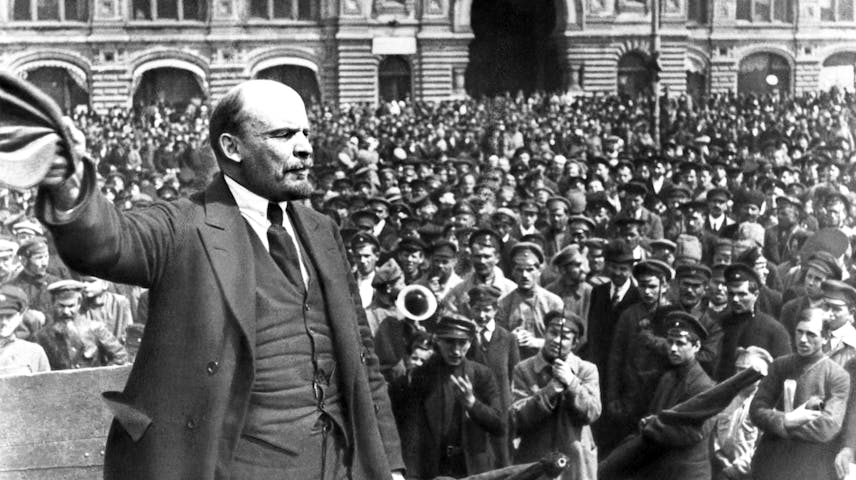
Students will analyze central ideas in an informational text about the Russian Revolution and explain how those ideas connect to the allegory in Chapters I–V of Animal Farm, using evidence from both texts.
Language
Students will explain historical parallels between an informational text and Animal Farm by using comparative language (similarly, parallels, mirrors), abstract nouns (autocracy, oppression, ideology), expanded noun groups (political unrest, imperial failures), and cross-text evidence frames (“In the article . . . ,” “In the novel . . .”) to build cause–effect explanations.
Foundational Skills
Students will identify examples and non-examples of vocabulary words and reflect on their meanings.
Animal Farm
George Orwell
The Russian Revolution: A New Kind of Power
Standard News Bureau
Content
Students will write an explanatory paragraph in which they draw connections between a character in Animal Farm and a historical figure in the Russian Revolution.
Language
Students will explain a connection between the Russian Revolution and Animal Farm by using representation verbs (symbolizes, parallels, reflects), embedded quotations from both texts, clause expansion (“which shows . . . ,” “that reveals . . .”), and a formal academic register to build clear explanatory reasoning for the comparison.
Foundational Skills
Students will analyze sentence structure and verb voice to understand how language shows power and control in Chapter V.
Animal Farm
George Orwell
Content
Students will write a brief argument identifying which force—ideals, propaganda, or fear—most strongly shapes the animals’ beliefs and actions in Chapters I–V and support their claim with textual evidence.
Language
Students will state a claim, embed textual evidence, and explain reasoning using logical connectors (because, as a result, consequently).
Foundational Skills
Students will chunk a sentence down to its parts and evaluate it for meaning through thematic reasoning.
Content
Students will demonstrate mastery of grade-level skills and concepts by applying their knowledge and critical thinking in a summative assessment environment.
Language
Students will interpret academic vocabulary and complex sentence structures within assessment stems to identify precise relationships between ideas.
Animal Farm
George Orwell
Content
Students will analyze the impact of specific word choices on meaning and tone in a literary passage.
Language
Students will explain word meaning and point of view using evidence-based academic language and context-clue frames.
Foundational Skills
Students will use context clues and word relationships to determine the meaning of unknown and multiple-meaning words.
Animal Farm
George Orwell
Soviet Propaganda Posters and Their Purposes
Standard News Bureau
Content
Students will conduct short research to answer a question about how historical propaganda images use visual choices to shape meaning.
Language
Students will analyze visual rhetoric using precise nouns, verbs, and cause-effect language to explain an image’s argument and then propose a design change.
Animal Farm
George Orwell
Soviet Propaganda Posters and Their Purposes
Standard News Bureau
Content
Students will conduct short research by corroborating claims about a historical propaganda poster across credible sources.
Language
Students will use comparison, certainty, and source-attribution language to explain agreement, divergence, and source usefulness in an evidence-based research response.
Animal Farm
George Orwell
Content
Students will read and analyze Chapter VI, considering how the original commandments of the revolution have changed and how Napoleon’s point of view contributes to developing themes about the revolution.
Language
Students will explain how Chapter VI shows contradictions between ideals and actions by using evaluative/analytic verbs, cause–effect chains, and expanded noun groups (e.g., “the gradual erosion of equality”).
Foundational Skills
Students will examine the morphology of vocabulary words, including identifying root words and suffixes.
Animal Farm
George Orwell
Content
Students will learn about the concept of scapegoating and cite evidence showing how Napoleon and Squealer use scapegoating as propaganda in the first section of Chapter VII of Animal Farm.
Language
Students will explain how scapegoating shapes the animals’ beliefs by using precise analytical verbs (accuses, fabricates, rewrites, manipulates) and citing direct textual evidence.
Foundational Skills
Students will explore the meaning of vocabulary through context and associations.
Animal Farm
George Orwell
Content
Students will summarize and analyze incidents in the last section of Chapter VII, noting how they contribute to the collapse of the revolution’s ideals through a jigsaw reading and central idea analysis.
Language
Students will explain how forced confessions and executions in Chapter VII contribute to a central idea using precise analytical verbs (accuses, fabricates, justifies, manipulates) and direct textual evidence.
Foundational Skills
Students will practice applying vocabulary in context using a Cloze Vocabulary strategy.
Animal Farm
George Orwell
Content
Students will write an argument paragraph explaining how a specific moment in Chapters VI–VII shows the revolution betraying its ideals.
Language
Students will construct a clear argumentative paragraph using a Claim–Evidence–Reasoning structure, embedding direct quotations and using academic verbs (illustrates, demonstrates, reveals) to explain how a specific moment in Chapters VI–VII shows the revolution betraying its ideals.
Foundational Skills
Students will study what makes an effective argument claim.
Animal Farm
George Orwell
Famous Speeches: Patrick Henry's "Give Me Liberty Or Give Me Death"
Original speech from the public domain
Independence and the Articles of Confederation
USHistory.org
Revolution, Civil War and Terror: The Birth of the Soviet Union
Standard News Bureau
The Russian Revolution: A New Kind of Power
Standard News Bureau
Content
Students will read and analyze key excerpts of Chapter VIII of Animal Farm to consider how Napoleon’s leadership is changing through a peer discussion and a gallery walk.
Language
Students will explain how praise imagery and rewritten “laws” shape perception in Chapter VIII by using expanded noun groups and cause/effect connectors to cite evidence.
Foundational Skills
Students will explore the vocabulary word censured through contextual discussion and application.
Animal Farm
George Orwell
Famous Speeches: Patrick Henry's "Give Me Liberty Or Give Me Death"
Original speech from the public domain
Independence and the Articles of Confederation
USHistory.org
Revolution, Civil War and Terror: The Birth of the Soviet Union
Standard News Bureau
The Russian Revolution: A New Kind of Power
Standard News Bureau
Content
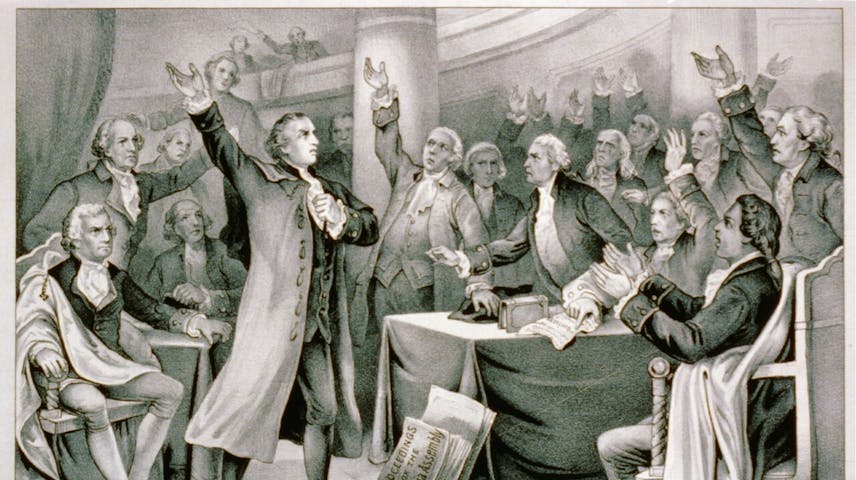
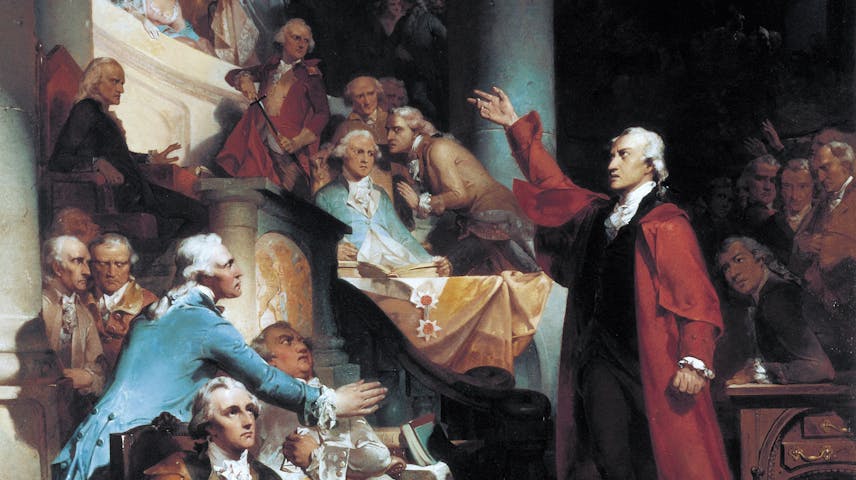
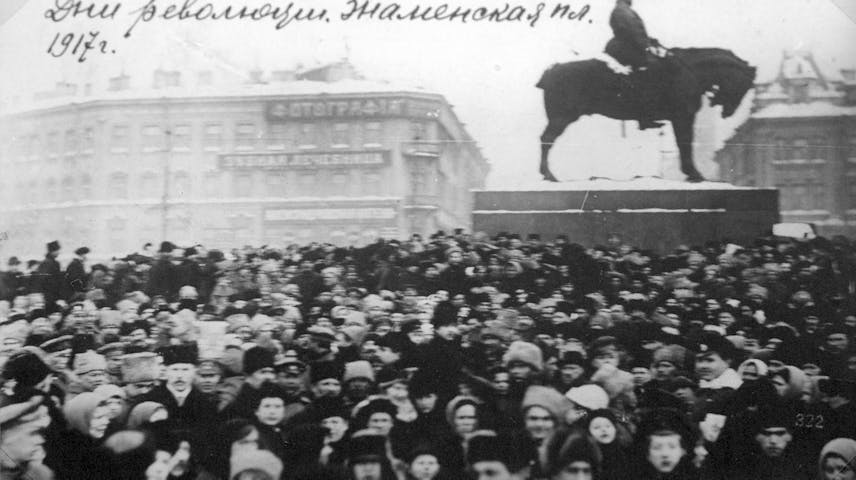
Students will compare informational texts about the American and Russian Revolutions and connect their ideas to events in Animal Farm.
Language
Students will compare how informational texts frame the American and Russian Revolutions by comparing ideas, using cohesive devices, and using accurate paraphrasing to connect those ideas to Orwell’s allegory in Animal Farm.
Foundational Skills
Students will explore vocabulary words by discussing their context.
Animal Farm
George Orwell
Famous Speeches: Patrick Henry's "Give Me Liberty Or Give Me Death"
Original speech from the public domain
Independence and the Articles of Confederation
USHistory.org
Revolution, Civil War and Terror: The Birth of the Soviet Union
Standard News Bureau
The Russian Revolution: A New Kind of Power
Standard News Bureau
Content
Students will participate in structured academic discussions in pairs and small groups about how revolutions protect or betray their ideals, citing evidence from Animal Farm and informational texts.
Language
Students will sustain a collaborative, text-based discussion that synthesizes evidence from three to four sources and uses transitions to build comparisons and counterclaims about how revolutions protect or betray their ideals.
Animal Farm
George Orwell
Famous Speeches: Patrick Henry's "Give Me Liberty Or Give Me Death"
Original speech from the public domain
Independence and the Articles of Confederation
USHistory.org
Revolution, Civil War and Terror: The Birth of the Soviet Union
Standard News Bureau
The Russian Revolution: A New Kind of Power
Standard News Bureau
Content
Students will develop and refine a precise, arguable claim explaining why revolutions may protect or betray their ideals, using evidence from Animal Farm and historical examples studied in the unit.
Language
Students will state and revise a clear argumentative claim that answers the Performance Task prompt by synthesizing ideas and using academic connectors (because, therefore, as a result) to express cause-and-effect reasoning.
Foundational Skills
Students will learn how strong argument claims are constructed and practice identifying strong argument claims
Animal Farm
George Orwell
Content
Students will analyze key excerpts from Chapter IX and discuss how Boxer’s fate further develops themes of the revolution’s betrayal and corruption through fishbowl conversations.
Language
Students will cite textual evidence from Chapter IX to explain how Orwell reveals ideological collapse, using cohesive transitions to show cause and consequence and to analyze how language manipulates loyalty.
Foundational Skills
Students will analyze root words and explore how words can change over time and with affixes.
Animal Farm
George Orwell
Content
Students will finish their close read of Animal Farm, Chapter X, and analyze key moments in the text to consider how Orwell constructs his conclusion while also determining central ideas.
Language
Students will explain how key events in Chapter X develop a final warning about authoritarian revolutions by citing evidence and using expanded noun groups to describe key symbolic details.
Foundational Skills
Students will explore new vocabulary by focusing on the syllabification of the words.
Animal Farm
George Orwell
Content
Students will analyze key movie scenes from the Animal Farm movie (1999) and compare the scenes to the novel, evaluating the choices made by the directors and actors.
Language
Students will explain how the 1999 film adaptation interprets or changes key moments in Animal Farm by using comparative language and citing specific evidence from both the film and the novel.
Foundational Skills
Students will learn how to compare a movie adaptation to a novel, such as actor choices, script changes, and scene rewrites.
Animal Farm
George Orwell
Content
Students will continue to analyze key movie scenes from the Animal Farm movie (1999) and compare the scenes to the novel, evaluating the choices made by the directors and actors.
Language
Students will explain how the 1999 film adaptation interprets or changes key moments in Animal Farm by using comparative language and citing specific evidence from both the film and the novel.
Foundational Skills
Students will practice fluency and reading with emotion by practicing a key excerpt from Chapter IX of Animal Farm.
Animal Farm
George Orwell
Content
Students will write an argument body paragraph that supports their claim about why revolutions uphold or betray their ideals by using the TREE Strategy.
Language
Students will write an argument body paragraph using the TREE structure (Topic sentence, Reasons, Examine evidence, Ending) by embedding quotations from Animal Farm and explaining how the evidence demonstrates their argument claim.
Foundational Skills
Students will learn how to write an argument body paragraph by creating a topic sentence, using evidence from the text, explaining evidence through reasoning, and creating a conclusion that connects back to their claim.
Animal Farm
George Orwell
Content
Students will draft and refine a complete argument body paragraph that supports their claim using evidence from Animal Farm, with clear reasoning that explains how each piece of evidence supports the claim.
Language
Students will strengthen their argument writing by revising for clarity, formal tone, and logical flow, using precise academic language and connectives (e.g., therefore, as a result, consequently, similarly).
Foundational Skills
Students will improve their writing through evaluation and revision of a model paragraph.
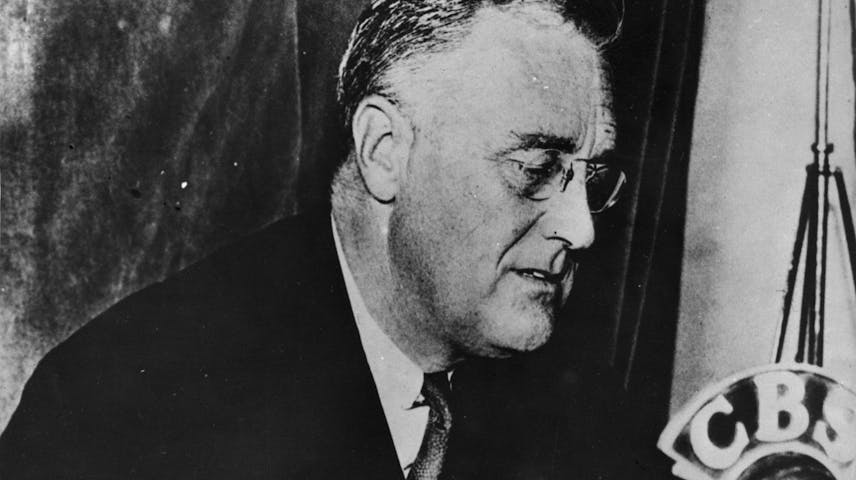
Famous Speeches: The Four Freedoms Speech
President Franklin Delano Roosevelt, original speech from the public domain
Content
Students will delineate claims and evidence and begin to analyze how Roosevelt supports his argument in the opening half of “The Four Freedoms Speech.”
Language
Students will use context clues, claim-evidence language, and cause-effect connectors to explain how Roosevelt develops his argument.
Foundational Skills
Students will use context clues to determine the meaning of two key words from the speech.
Famous Speeches: The Four Freedoms Speech
President Franklin Delano Roosevelt, original speech from the public domain
Content
Students will delineate and evaluate claims, evidence, and reasoning in the second half of “The Four Freedoms Speech” by FDR.
Language
Students will use context-clue analysis, claim-evidence-reasoning language, and summary frames to explain Roosevelt’s argument.
Foundational Skills
Students will use context clues to determine the meaning of two key words from the speech.
Famous Speeches: The Four Freedoms Speech
President Franklin Delano Roosevelt, original speech from the public domain
Content
Students will evaluate the argument in “The Four Freedoms Speech” by assessing the strength of Roosevelt’s claims, evidence, and reasoning.
Language
Students will justify a stance using evaluation vocabulary and evidence-based discussion frames during a Four Corners Debate.
Content
Students will demonstrate mastery of grade-level skills and concepts by applying their knowledge and critical thinking in a summative assessment environment.
Language
Students will interpret academic vocabulary and complex sentence structures within assessment stems to identify precise relationships between ideas.
Animal Farm
George Orwell
Content
Students will develop claims with logical reasons and relevant evidence in argument writing about Animal Farm.
Language
Students will use cohesive words and phrases and correct spelling to clarify relationships among claims, reasons, evidence, and counterclaims in revision.
Animal Farm
George Orwell
Content
Students will re-examine evidence from Animal Farm to develop and/or finalize their claim for their Performance Task.
Language
Students will draft and refine a defensible claim that responds to the Performance Task prompt, using academic language, reasoning, and cohesive phrasing to preview their argument and connect it to prioritized evidence from Animal Farm.
Animal Farm
George Orwell
Content
Students will analyze an argument essay exemplar and the Unit 2 Performance Task Rubric to further understand the expectations of the Performance Task while beginning to draft the introduction to their essay.
Language
Students will discuss performance task criteria and apply it to an exemplar, using academic verbs (demonstrates, aligns, meets) to explain how the exemplar meets expectations.
Animal Farm
George Orwell
Content
Students will draft Body Paragraph 1 of their argument essay, using relevant and sufficient evidence from Animal Farm and one additional unit text, with clear reasoning that supports their claim.
Language
Students will construct a coherent body paragraph by expanding an evidence block into a structured body paragraph using academic language, precise connectives, and properly embedded quotations.
Animal Farm
George Orwell
Content
Students will continue to draft the body paragraphs of their argument essay, analyzing how propaganda and rhetorical techniques in Animal Farm influence belief and behavior and support their overall argument claim.
Language
Students will construct a body paragraph that explains how a rhetorical technique works, using precise academic language, transitions, and formal tone.
Animal Farm
George Orwell
Content
Students will draft a counterclaim and rebuttal conclusion paragraph that acknowledges an opposing claim and refutes it using relevant evidence and reasoning.
Language
Students will construct a coherent counterclaim paragraph using academic language, clear transitions, and formal tone to present, explain, and refute an opposing claim.
Animal Farm
George Orwell
Content
Students will revise their argument essays to improve cohesion, formal style, and clarity, ensuring that ideas are logically connected and the argument is clearly expressed.
Language
Students will revise their writing by using varied transitions, maintaining a formal tone, and strengthening concluding statements to clarify relationships among ideas.
Animal Farm
George Orwell
Content
Students will revise argument writing to create cohesion among claims, reasons, evidence, and counterclaims, to establish and maintain a formal style, and to write concluding statements that follow from and support an argument.
Language
Students will use transitions, formal word choices, and conclusion language to strengthen an argument about power, propaganda, and truth.
Animal Farm
George Orwell
Content
Students will revise and edit the full argument essays to ensure a clear claim, well-developed reasoning, effective use of evidence, and logical coherence across paragraphs.
Language
Students will refine their writing by editing for writing conventions, strengthening formal style, improving transitions, embedding evidence smoothly, and using precise academic language.